
A tiny leak can lead to massive project costs and delays. Don't let a simple connection error compromise your entire system. Let's identify these common, but costly, mistakes.
Yes, many projects suffer from five key errors: improper joint tightening, pipe misalignment, using the wrong connection type, ignoring thermal expansion , and incorrect material selection. Understanding these mistakes is the first step to building a truly reliable and long-lasting pipeline system that avoids future headaches.
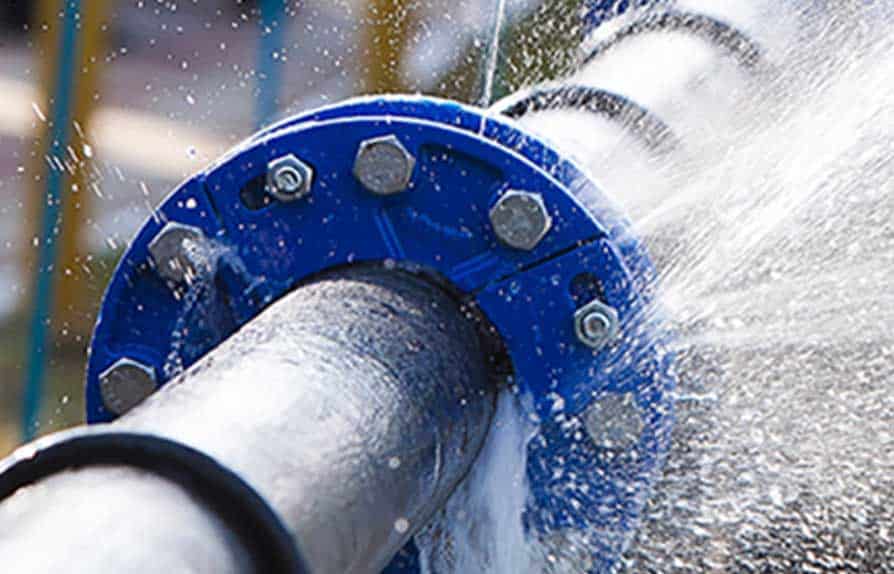
Over my 30 years in the pipe fitting business, I've seen these issues come up time and time again. They seem small at first, but they can cause catastrophic failures down the road. Let's break down each mistake so you can avoid them in your next project.
Are You Sure Your Joints Are Installed Correctly?
You've tightened the bolts, but a leak appears days later. It's frustrating and costly. The problem often lies in how much you tighten, not just that you tightened it.
Proper installation means avoiding both overtightening and undertightening. Overtightening can damage gaskets and bolts, while undertightening creates a poor seal. Always use a torque wrench and follow the manufacturer's specific torque values to ensure a secure, leak-free connection every time.
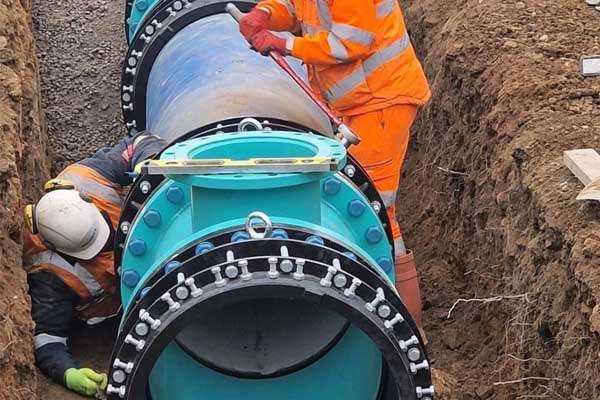
Getting the right tightness, or torque, is a delicate balance. Think of it as a "Goldilocks" situation – it has to be just right. When we manufacture fittings at our plant, we design gaskets to compress to a specific thickness to create a perfect seal. Overtightening crushes the gasket beyond its design limit, which can permanently damage it and even cause it to extrude out of the joint. It also puts immense stress on the bolts and flanges, risking cracks. On the other hand, undertightening doesn't compress the gasket enough, leaving tiny pathways for water to escape, especially under pressure. I always tell my clients that a torque wrench isn't a luxury; it's a necessity for reliable pipe installation. Following a star or crisscross pattern when tightening bolts is also critical to ensure even pressure on the gasket.
| Problem | Cause | Consequence |
|---|---|---|
| Undertightening | Not enough force applied to bolts | Poor gasket compression, leading to immediate or eventual leaks. |
| Overtightening | Too much force applied to bolts | Damaged gasket, stressed bolts, cracked flanges, potential for failure. |
What Happens When Pipes Don't Line Up Perfectly?
On a retrofit project, pipes rarely align perfectly. You're tempted to just pull them together, but this creates hidden stress that can cause a future disaster.
When misaligned pipes are forced together, it creates constant stress on the joints. This can lead to leaks or even pipe bursts over time. Using high-quality flexible couplings is the solution, as they allow for angular deflection and accommodate misalignment without creating dangerous stress points.
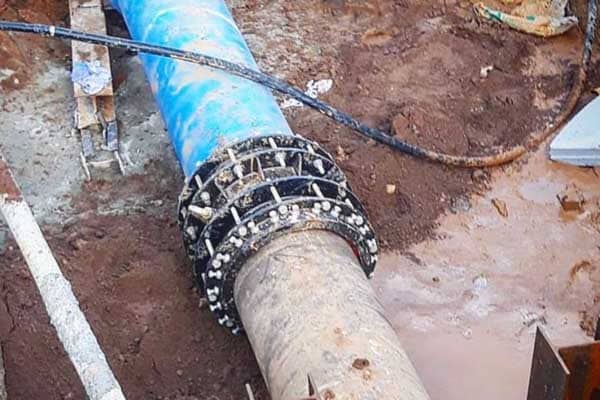
I remember a client working on an old city water main project. They were connecting new ductile iron pipe to an existing PVC line, and there was a slight angle and a small gap. The crew wanted to use chains to pull the pipes into a rigid flange connection. I stopped them. Forcing the connection would have put the PVC pipe under constant bending stress. It might have held for the pressure test, but ground settlement or temperature changes would have eventually caused a crack. This is a very common problem. The solution is to use a component designed for this situation. A flexible coupling allows for a few degrees of angular deflection. It can also span a gap between pipe ends. This way, the connection is made without introducing any external stress into the pipeline. It’s a simple solution that turns a difficult field situation into a routine, secure connection.
| Feature | Rigid Connection (e.g., Flange) | Flexible Coupling |
|---|---|---|
| Angular Deflection | Almost no tolerance | Allows several degrees of deflection. |
| Axial Misalignment | Not accommodated | Accommodates gaps between pipe ends. |
| Long-term Stress | High risk of stress concentration | Minimal stress on pipes and joint. |
| Best Use Case | Perfectly aligned, stable pipes | Retrofits, ground shifts, mixed materials. |
Are You Using the Right Connection for the Job?
You have many connection options: welding, flanges, threads. Choosing the wrong one for your specific pressure, media, or maintenance needs can lead to leaks and safety hazards.
Using the wrong connection method is a critical error. For example, threaded connections are poor for high-vibration systems. Welded joints are strong but make maintenance difficult. Always consider pressure, pipe material, vibration, and future maintenance needs before selecting a connection type.
There is no single "best" connection method. The right choice always depends on the application. A welded joint is strong and permanent, making it great for high-pressure, high-temperature process piping that won't be modified. But if you need to perform maintenance or replace a valve, a welded joint becomes a major headache. That’s where a flanged connection is better, as it can be unbolted. However, every bolt on a flange is a potential leak path if not installed correctly. For small-diameter, low-pressure lines, threaded connections are quick and easy. But they are very susceptible to leaking under vibration or temperature cycles. As a manufacturer, we offer a wide range of products because we know our clients face all these situations. We often help them choose between a fully welded system and a system using our flanged adapters or flexible couplings, balancing strength with the need for future access and repair.
| Method | Best For | Considerations |
|---|---|---|
| Welded | High-pressure, permanent systems | Requires skilled labor, no maintenance access. |
| Flanged | High-pressure, requires maintenance | Many potential leak paths, requires alignment. |
| Threaded | Low-pressure, small diameter pipes | Prone to leaks with vibration or pressure changes. |
| Coupled | Versatility, speed, misalignment | Must use the correct coupling for the specific application. |
Is Your Pipeline Built to Handle Temperature Changes?
A long pipe run seems stable after installation. But as temperatures change, the pipe expands and contracts, creating massive stress that you can't even see until it's too late.
No, many pipelines are not. Rigid connections cannot absorb movement from thermal expansion, which leads to cracked joints and leaking flanges over time. Using expansion joints or flexible couplings is essential to allow for this axial movement, protecting your pipeline from self-destruction.
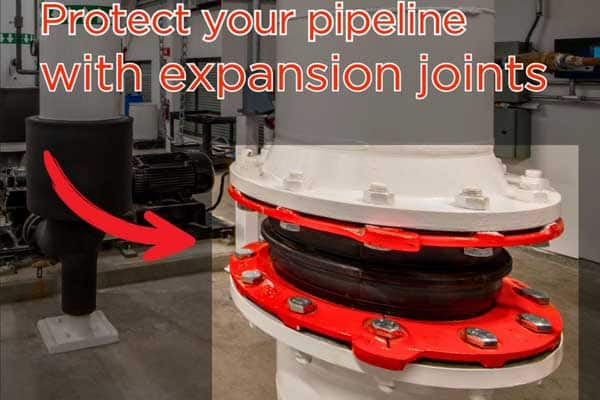
The force of thermal expansion is enormous and often underestimated. A long run of steel pipe can grow or shrink by several inches between the heat of a summer day and the cold of winter. If the pipeline is rigidly fixed at both ends, that movement has to go somewhere. The stress builds up at the weakest points in the system, which are almost always the joints, elbows, or connections to equipment. I've seen anchor bolts sheared off and pump nozzles cracked by this invisible force. The problem is especially common in above-ground pipelines or long-distance water transmission lines with large temperature swings. The solution is to design for this movement from the beginning. Expansion joints are built to absorb this axial movement safely. They work like an accordion, compressing and extending with the pipe, which prevents stress from building up and protects the entire system.
Could Your Pipe Materials Be Working Against Each Other?
You chose a pipe material that seems strong and affordable. But when connected to other system components, it starts to corrode, leading to premature failure and water contamination.
Yes, they can. When dissimilar metals are in contact in the presence of an electrolyte (like water), it creates a battery effect called galvanic corrosion. This rapidly degrades the less noble metal. Proper material selection and using dielectric insulating joints are crucial to prevent this.
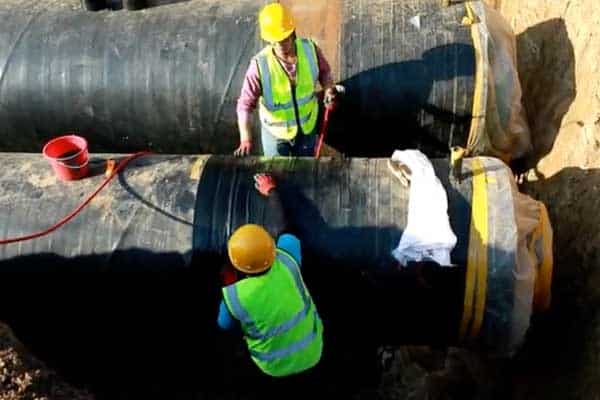
I have seen this happen too many times: a brand new steel pipe connected directly to an old copper line. Within a few years, the steel pipe right at the connection is rusted through and leaking. This isn't a defect in the steel pipe; it's a predictable chemical reaction. This process, called galvanic corrosion, happens when two different metals touch while wet. The metals create a small battery, and the more "active" metal (the anode) sacrifices itself and corrodes away to protect the less active metal (the cathode). The only way to stop this is to break the circuit. You can do this by using a special dielectric union or insulating flange gasket kit, which creates an electrical break between the two metals. As a ductile iron fitting manufacturer, we are very aware of this. That's why we offer specialized epoxy coatings and cement mortar linings to protect the iron from both the fluid inside and the environment outside, ensuring a long service life.
| Problem | Description | Solution |
|---|---|---|
| Galvanic Corrosion | Dissimilar metals in direct contact with an electrolyte. | Use dielectric unions/gaskets, select compatible materials. |
| Chemical Corrosion | Aggressive water or soil chemistry attacks the pipe. | Use resistant materials (e.g., DI with proper lining), apply coatings. |
| Erosion Corrosion | High fluid velocity or particles wear away the pipe wall. | Use larger pipes to reduce velocity, use hardened materials. |
Conclusion
Avoiding these five common mistakes is not difficult. It just takes proper planning and the right components to ensure your pipeline's safety and longevity for decades to come.
