Loose Flange Manufacturer
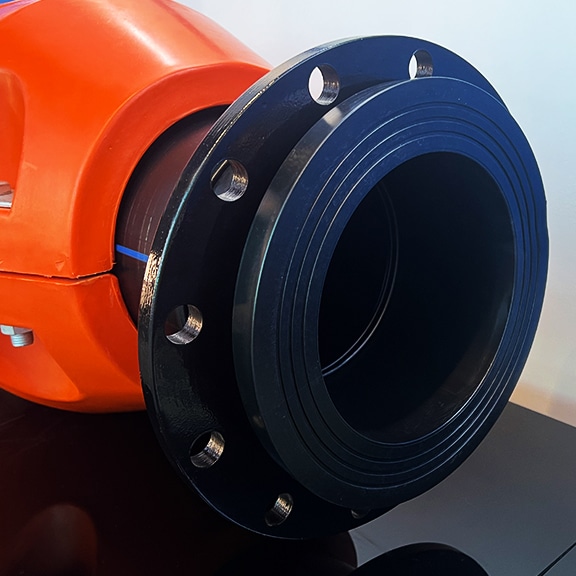
Loose flange, also called stub end flange, is a type of flange that is not welded to the pipe but slides over a stub end.
It allows you to rotate it to line up the bolts, saves you money by letting you use different material for the ring and stub end, and is great for low-pressure, corrosion-resistant systems like water or chemical pipelines.
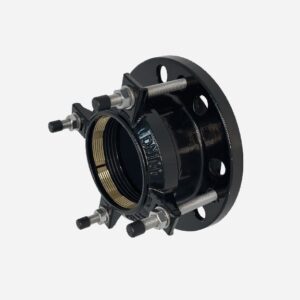
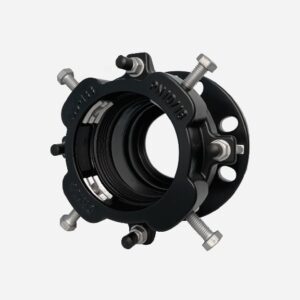
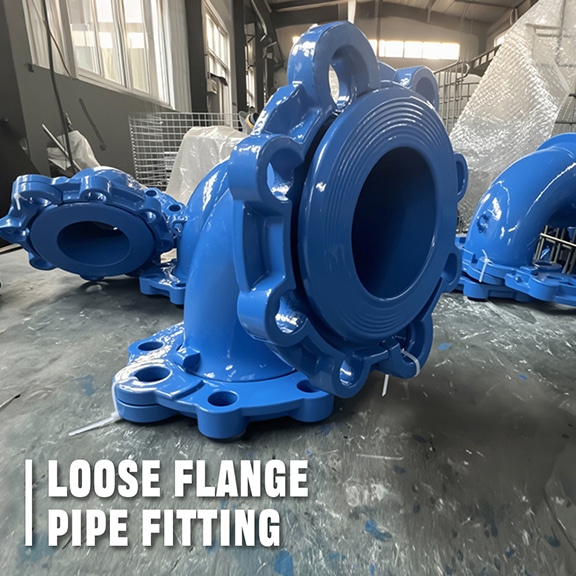
Judberd is competitive manufacturer for stub end flange HDPE etc, below photo is for your reference.
Stub End Flange For HDPE Parts and Working Principle
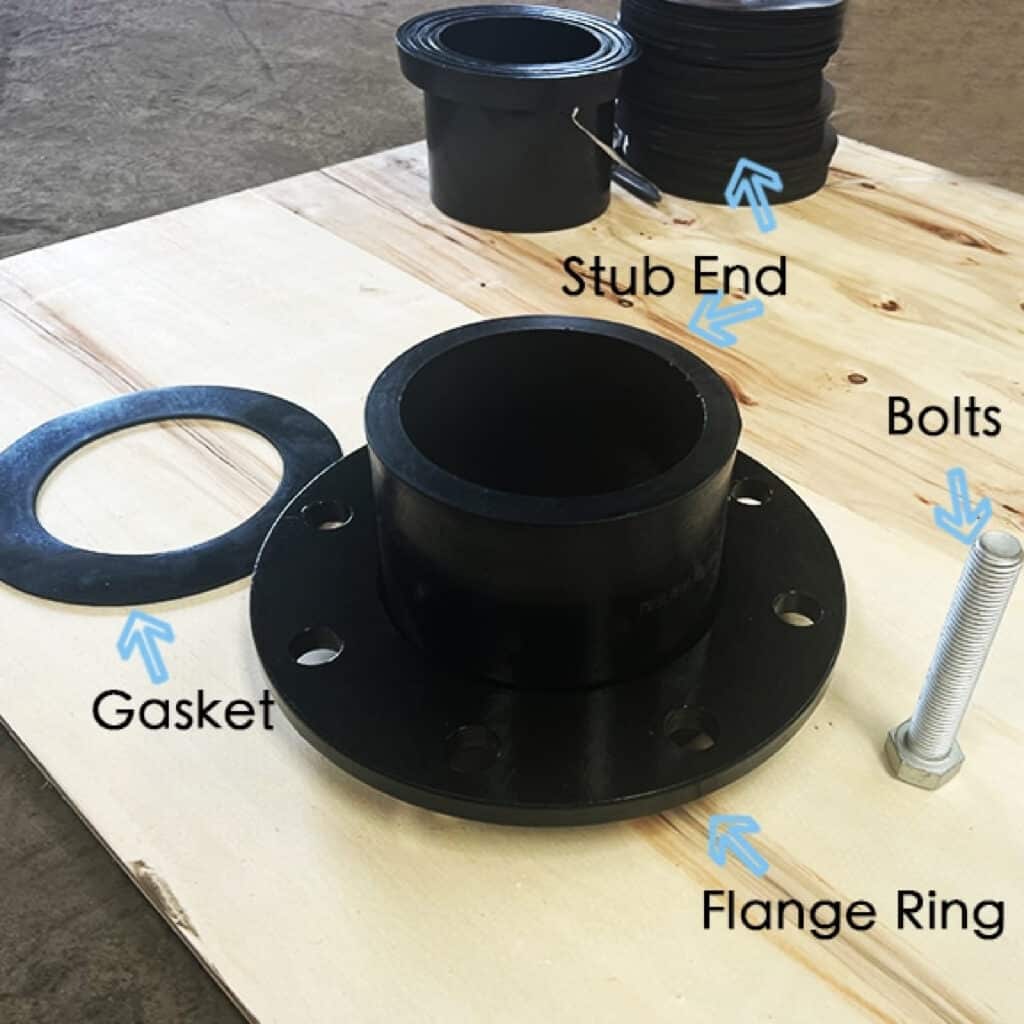
Loose Flange (or Stub End Flange) consists of two main parts:
- Stub End (Collar): welded to the pipe end and provides the sealing face.
- Loose Flange Ring: a separate ring with bolt holes that slides over the stub end.
Together, they form a complete flange connection.
The flange ring is not welded — it can rotate freely around the stub end.
During installation, this allows easy alignment of bolt holes with the mating flange.
When bolts are tightened, the flange ring transfers pressure while the stub end ensures sealing with the gasket.
This design combines mechanical strength (from the ring) and corrosion protection (from the stub end).
Advantages of Loose Flange vs Welded Flange
1. Easier Alignment
_
● Loose flanges can spin around the pipe after you weld the stub end, making it easy to line up the bolt holes.
● Welded flanges are fixed and often require you to get them just right before you weld them — it takes more time and skill.
2. Cost-Effective Material Use
_
● In a loose flange system, only the stub end (which touches the fluid) needs to be made of corrosion-resistant material like stainless steel.
● The flange ring can be made from carbon steel or ductile iron, saving you a lot of money — especially on large-diameter or stainless-steel pipelines.
3. Flexible and Easy Maintenance
_
● Loose flanges are easy to take apart, look at, and put back together.
● They’re perfect for systems that need regular cleaning, inspection, or part replacement, like water treatment, desalination, or chemical plants.
4. Less Stress on Welding and Pipe Ends
_
● Because the flange ring is not welded, the heat-affected zone is smaller and the pipe is less stressed.
● This helps the flange and the pipe last longer.
5. Corrosion Protection
_
● The sealing surface (stub end) can be made from stainless steel, plastic, or lined material, providing excellent protection in harsh or seawater environments.
When to Use Loose Flange Connections
_
Use Loose Flange / Stub End Flange connections when:
● You need to take the piping system apart and put it back together a lot.
● The piping material is expensive (e.g., stainless steel) and you need to save money.
● The space to install the piping is tight, making it hard to line up the bolts.
●The fluid is corrosive (e.g., seawater, acid, alkali, or chemical liquid).
● The pressure in the system is low or medium, typically below PN16 / Class 150.
Loose flanges give you alignment flexibility, lower material cost, and easier maintenance, while welded flanges are better for high-pressure or permanent installations.
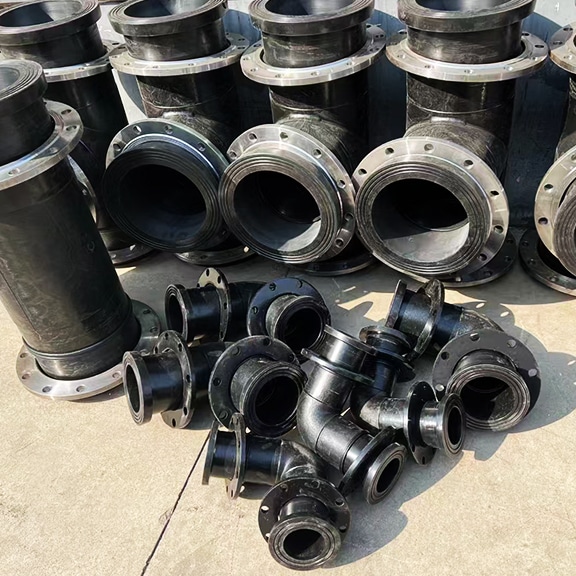
Step-by-Step Installation Guide for Loose Flange Fittings
1. Preparation
_
● Check that the pipe ends, stub ends, and flange rings are clean, dry, and free from oil, rust, or dirt.
● Make sure the gasket and bolts/nuts are the correct size and material for your application.
● Verify that the flange face and gasket are not damaged.
2. Welding the Stub End
_
● Weld the stub end (collar) to the pipe end according to the required welding procedure (e.g., butt weld or fillet weld).
● Allow the weld to cool completely and check for any deformation or misalignment.
● Do not weld the loose flange ring — it must remain movable.
3. Assembling the Loose Flange
_
● Slide the loose flange ring over the pipe and position it behind the stub end’s collar.
● Make sure the flange can rotate freely around the pipe.
4. Positioning and Gasket Placement
_
● Place the gasket between the two sealing faces (stub end vs mating flange).
● Center the gasket carefully to ensure full sealing contact.
5. Bolt Installation
_
● Insert the bolts through the aligned holes and hand-tighten the nuts evenly.
● Tighten the bolts crosswise in a star pattern using a torque wrench to achieve even pressure distribution.
● Do not overtighten — excessive torque may deform the gasket or stub end face.
6. Final Inspection
_
● Check that the flanges are parallel and properly aligned.
● Perform a hydrostatic pressure test or air leak test if required.
● Confirm that the flange ring still rotates freely (before final tightening).
Choosing the Right Gasket for Loose Flange Systems
| Medium / Application | Recommended Gasket Material | Remarks |
|---|---|---|
| Potable water / general use | EPDM rubber gasket | Excellent flexibility and aging resistance |
| Oil or fuel pipelines | NBR (Nitrile rubber) | High oil resistance |
| Seawater / saltwater systems | EPDM or PTFE | Excellent corrosion and chemical resistance |
| Acidic or alkaline chemicals | PTFE (Teflon) | High chemical resistance |
| High temperature or steam | Graphite or CAF (Compressed Asbestos Free) | Suitable for up to 450°C depending on grade |
Tips for Gasket Selection
Match gasket hardness to flange surface finish — softer for smoother faces.
Ensure gasket thickness provides uniform compression without extrusion.
Replace the gasket whenever the joint is disassembled to maintain sealing performance.
Proper installation and the right gasket material are key to ensuring tight sealing, corrosion resistance, and long-term reliability in loose flange systems.
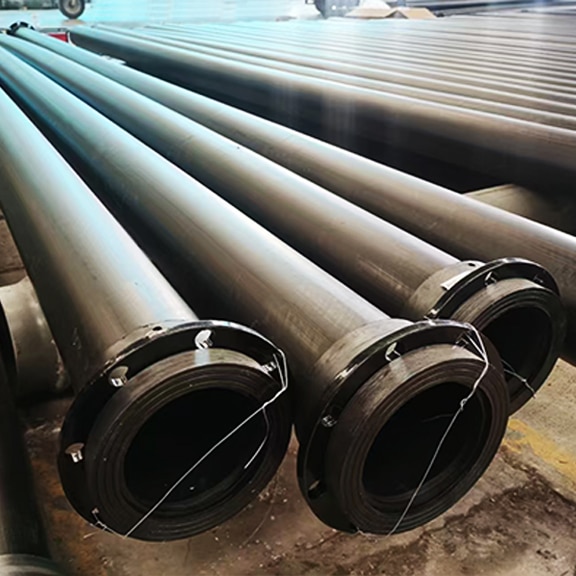
How to Choose the Right Material for Loose Flange Pipe Fittings?
1. Importance of Material Selection
Choosing the correct material for a loose flange pipe fitting is essential to ensure corrosion resistance, mechanical strength, and long service life.
Because a loose flange consists of two separate parts — the flange ring and the stub end — you can combine different materials to achieve the best balance between cost and performance.
2. Common Materials for Loose Flanges
| Part | Typical Materials | Main Features |
|---|---|---|
| Flange Ring | Carbon steel, ductile iron, galvanized steel | High mechanical strength, economical, suitable for non-corrosive environments |
| Stub End (Collar) | Stainless steel (SS304, SS316, SS316L), plastic, or lined material | Excellent corrosion resistance, smooth sealing surface |
| Gasket | EPDM, NBR, PTFE, Graphite | Selected according to medium and temperature |
This mixed-material design helps reduce cost while still providing strong protection against corrosion and chemical attack.
3. Factors to Consider When Choosing Materials
Pipeline Medium:
Water, seawater, oil, gas, acid, or alkali.
Operating Pressure & Temperature:
Higher ratings require stronger materials.
Installation Environment:
Indoor, underground, coastal, or industrial chemical plant.
Maintenance Needs:
For frequent disassembly, use materials with better sealing surface durability.
Stainless Steel vs Carbon Steel Loose Flange
| Aspect | Stainless Steel Loose Flange | Carbon Steel Loose Flange |
|---|---|---|
| Corrosion Resistance | Excellent – ideal for seawater, chemical, or humid environments | Limited – suitable for dry, non-corrosive conditions |
| Strength & Durability | High tensile strength and long service life | Good strength but may require coating to prevent rust |
| Cost | More expensive | Economical for large-scale or low-risk applications |
| Typical Use | Desalination, food processing, chemical lines | Water supply, HVAC, general industrial systems |
| Maintenance | Low – resistant to oxidation and corrosion | Requires regular inspection and anti-rust maintenance |
4. Recommended Combination for Cost Efficiency
A very common and efficient configuration is:
Carbon Steel Flange Ring + Stainless Steel Stub End
Why 1:
The carbon steel ring provides mechanical strength.
Why 2:
The stainless stub end ensures corrosion protection at the sealing surface.
Together, they achieve long life at lower cost — the key advantage of loose flange systems.
5. Judberd Recommendation
Judberd provides loose flange fittings in SS304, SS316, SS316L, carbon steel, ductile iron, and customized coated materials.
All designs follow EN 1092-1 / DIN 2642 / ASME B16.5 standards and can be tailored for marine, chemical, and industrial pipeline applications.
Contact Judberd to get professional advice on material selection for your specific working medium and installation environment.