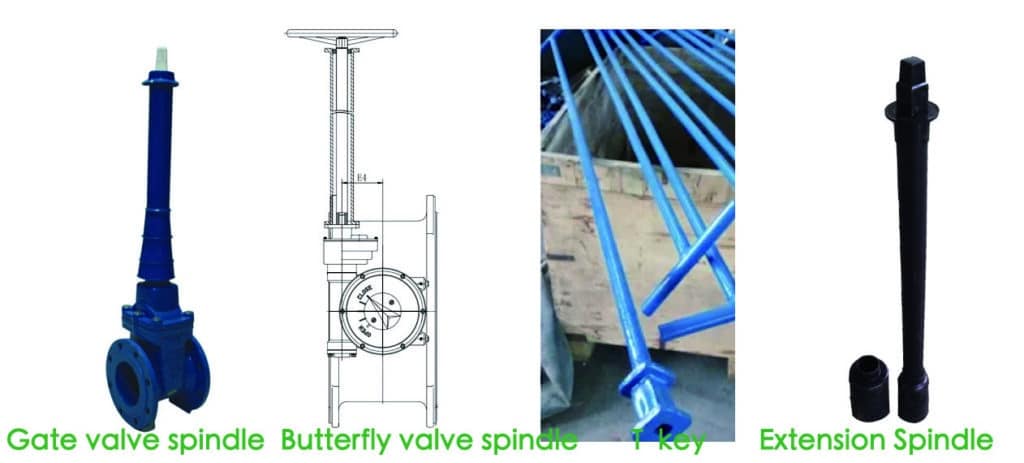
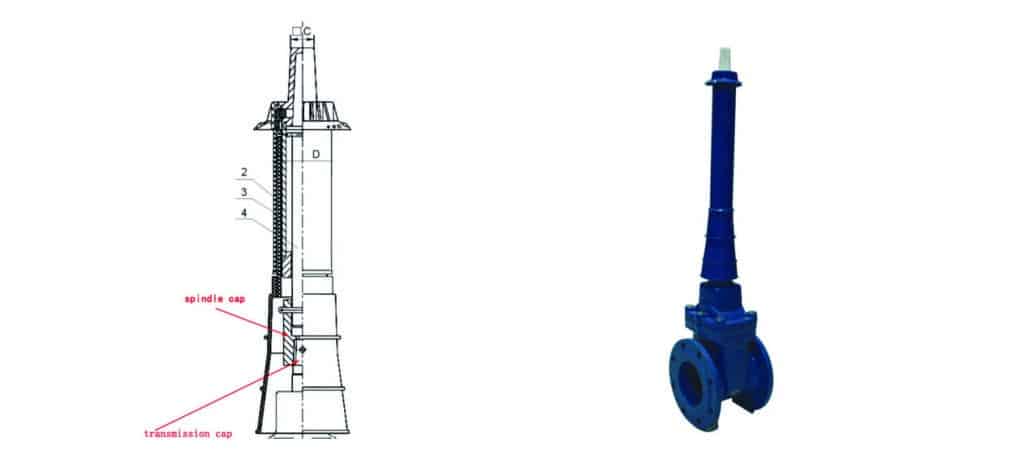
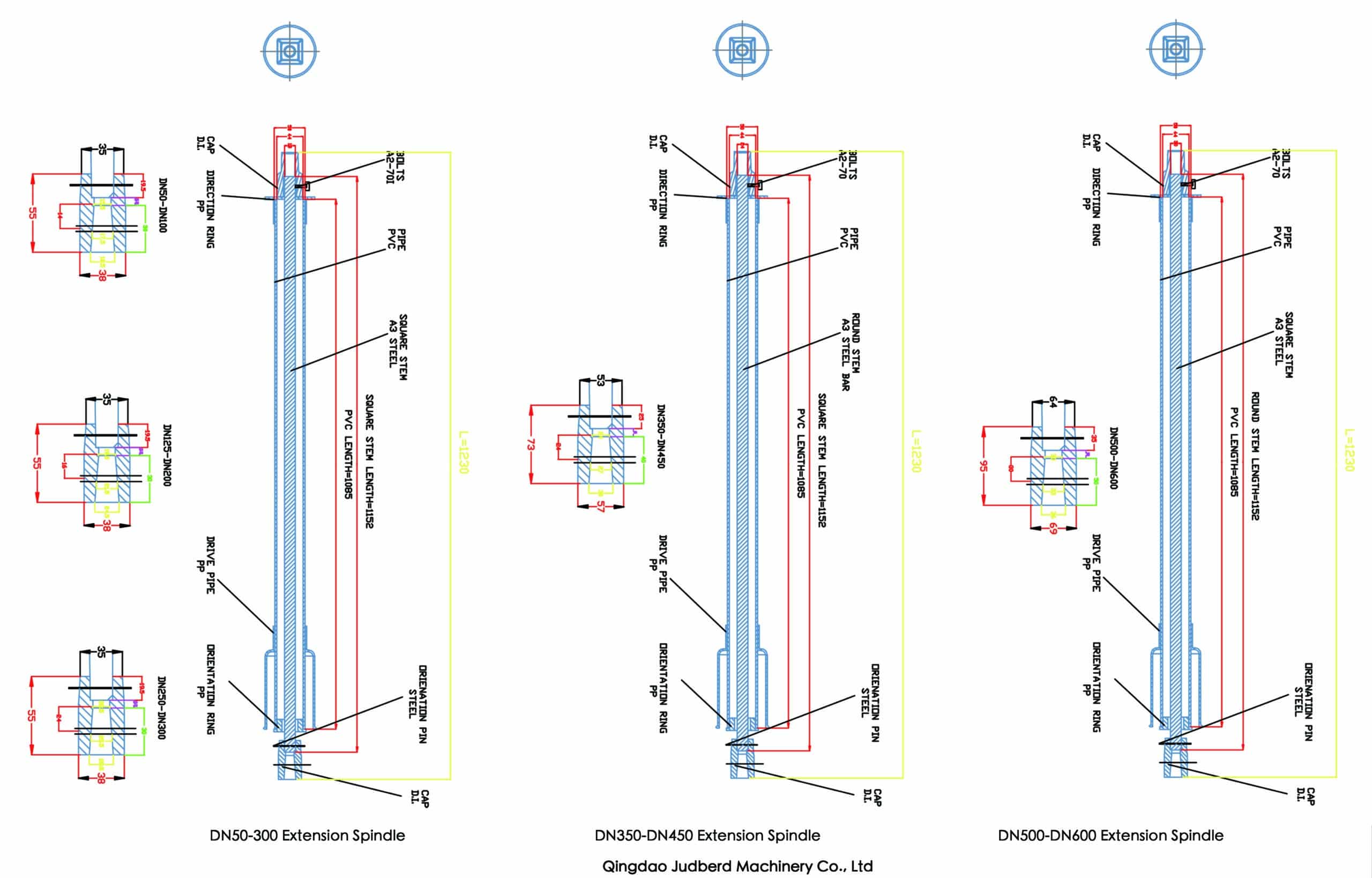
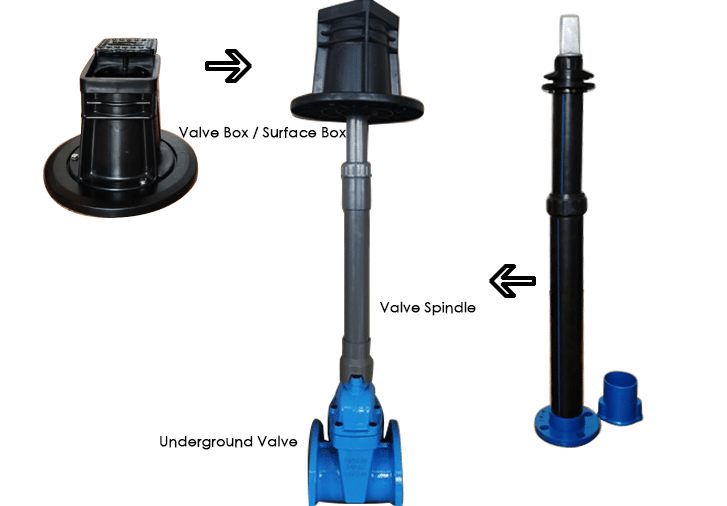
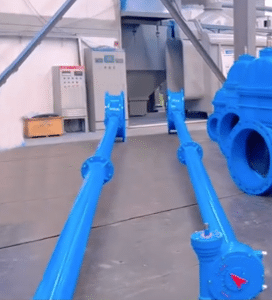
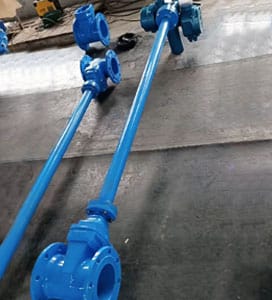
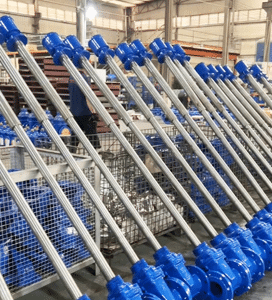
1. Installation Steps for the Valve Spindle
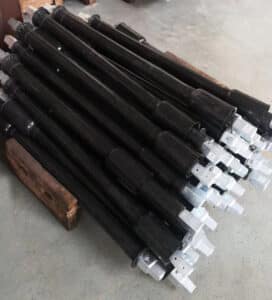
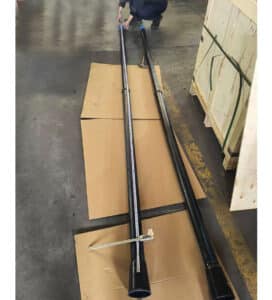
Confirm the Extension Rod Length
Measure the distance from the finished ground level to the top of the valve stem. The length of the extension rod must match the actual burial depth.If the extension rod is too short, the valve cannot be operated.If it is too long, the valve box cover cannot be installed properly.
For adjustable extension rods, allow sufficient adjustment allowance.
Connect the Extension Rod to the Valve Stem
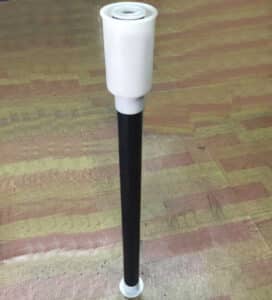
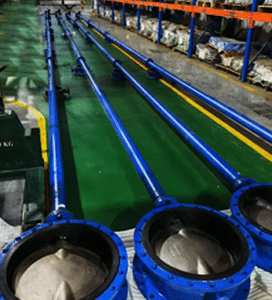
Align the lower end of the extension rod with the square head / keyway / coupling of the valve stem. After inserting it fully into position, secure it firmly using a fixing pin, set screw, or a dedicated coupling.
When the extension rod is rotated, the valve stem must rotate synchronously. Any obvious free play or slipping is not allowed.
Vertical Alignment of the Extension Rod
Ensure that the extension rod is perfectly vertical and aligned upward. It must not be installed at an angle.
2. Installation Steps for the Valve Box (Surface Box)
Install the Valve Box Base
Place the valve box around the extension rod. The bottom of the valve box should be set on a well-compacted sand bedding or a concrete foundation.
The valve box must not bear the weight of the valve or the extension rod; it serves only as protection and for positioning/alignment purposes.
3. Height Adjustment
Adjust the height of the valve box according to site conditions: it should be flush with the finished ground level, or 3–5 mm below the pavement to prevent damage from vehicle loads.
Typical applications include Sidewalks / landscaped areas should be flush with ground level; Roadways should use a heavy-duty load-rated surface box
4. Backfilling and Fixing
Backfill in layers, compacting each layer properly.
Around the valve box, it is recommended to use fine sand or concrete encasement (especially in roadway areas). Avoid direct contact between stones and the valve box , avoid Insufficient compaction which may cause settlement at a later stage
5. Final Inspection and Operation Test
Perform surface operation testing using a T-key or operating key. Rotate the extension rod clockwise and counterclockwise.
Confirm the valve can be fully opened, The valve can be fully closed and operation is smooth, with no abnormal resistance
6. Common Mistakes to Avoid
-
The extension rod is not properly aligned, resulting in heavy operation
-
The valve box bears the weight of the valve, causing later settlement
-
Incorrect calculation of the extension rod length
-
Backfilling is not properly compacted, leading to valve box sinking after several months
-
The valve is not installed vertically, causing valve stem wear
The underground valve is responsible for “opening and closing,” the extension rod is responsible for “transmitting rotation,” and the valve box is responsible for “surface operation and protection.” All three must be coaxial, properly aligned, and structurally independent to ensure long-term reliable valve operation.