
A pipeline leak is a nightmare. It means costly downtime and potential disaster. You need a fast, reliable fix that works for different pipe materials.
The best solution for pipeline leakage depends on the pipe material, damage size, and location. Repair clamps offer a versatile, fast, and effective method for sealing leaks on steel, ductile iron, and HDPE pipes, often without a full shutdown.
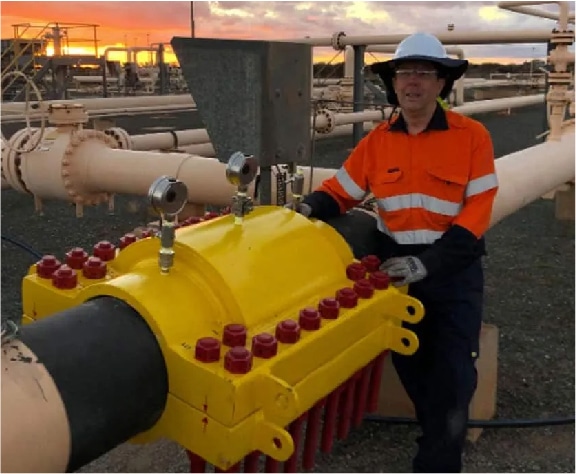
I've been in the pipe fitting business for 30 years, running a factory here in Qingdao. I've seen every kind of leak you can imagine, from tiny pinholes to catastrophic failures. Trust me, choosing the right repair method from the start can save you a world of trouble. The wrong choice leads to repeat failures, more downtime, and bigger costs. Let's look at the specific challenges you might face and how to solve them correctly the first time.
How Do You Repair a High-Pressure Pipe Leak?
High-pressure leaks are dangerous and can get worse quickly. Shutting down the whole system isn't always possible. You need a safe, effective repair that can handle the pressure.
To repair a high-pressure pipe leak, use a specially designed high-pressure repair clamp. These clamps are built with stronger materials and a robust locking mechanism to securely seal the leak without needing to weld or depressurize the system.
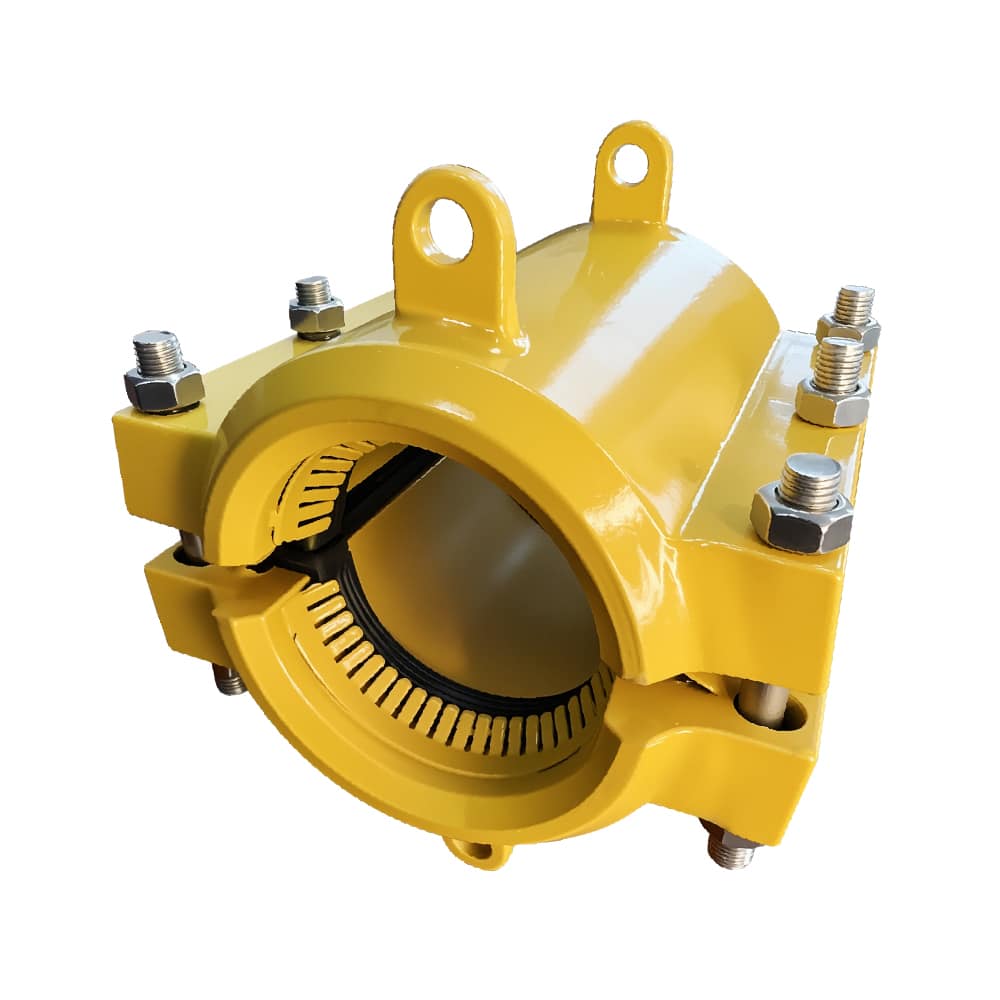
Repairing a high-pressure line is not the time to cut corners. A standard clamp might not hold. High-pressure clamps are engineered specifically for this job. They have features that ensure safety and a long-lasting seal even under extreme force. From my experience manufacturing these, the difference is in the details.
Key Features of High-Pressure Clamps
The main difference is the strength of the materials and the design of the locking mechanism. The clamp body is usually made from heavy-gauge stainless steel, like grade 316, for maximum corrosion resistance. The lugs, which are the parts that hold the bolts, are often made from strong ductile iron. This combination can handle the immense stress. The bolts themselves are also upgraded to high-tensile steel. More importantly, the gasket material is critical. For high-pressure water lines, we use a thick EPDM gasket. For oil or chemical lines, an NBR gasket is better because it resists those substances.
| Pressure Rating | Clamp Body Material | Bolt Material | Recommended Gasket |
|---|---|---|---|
| Up to 16 Bar | Stainless Steel 304 | Galvanized Steel | EPDM |
| Up to 25 Bar | Stainless Steel 316 | Stainless Steel A4 | NBR or Viton |
| Above 25 Bar | Custom Engineered | High-Tensile Alloy | Custom Compound |
Always check the pressure rating of the clamp before you buy. And follow the installation instructions exactly, especially the bolt torque specifications. I’ve seen repairs fail simply because the bolts were not tightened correctly. A proper high-pressure clamp gives you a safe, reliable repair without the risks of welding.
For an Emergency Pipeline Leak Repair, Should You Use a Clamp or Welding?
An emergency leak demands a fast decision. Welding seems permanent, but it is slow and risky. You need a safe solution to get your system back online now.
In an emergency, a repair clamp is almost always better than welding. Clamps are faster to install, do not require a hot work permit, and can be applied on a live line in many cases. Welding is slow and introduces fire hazards.
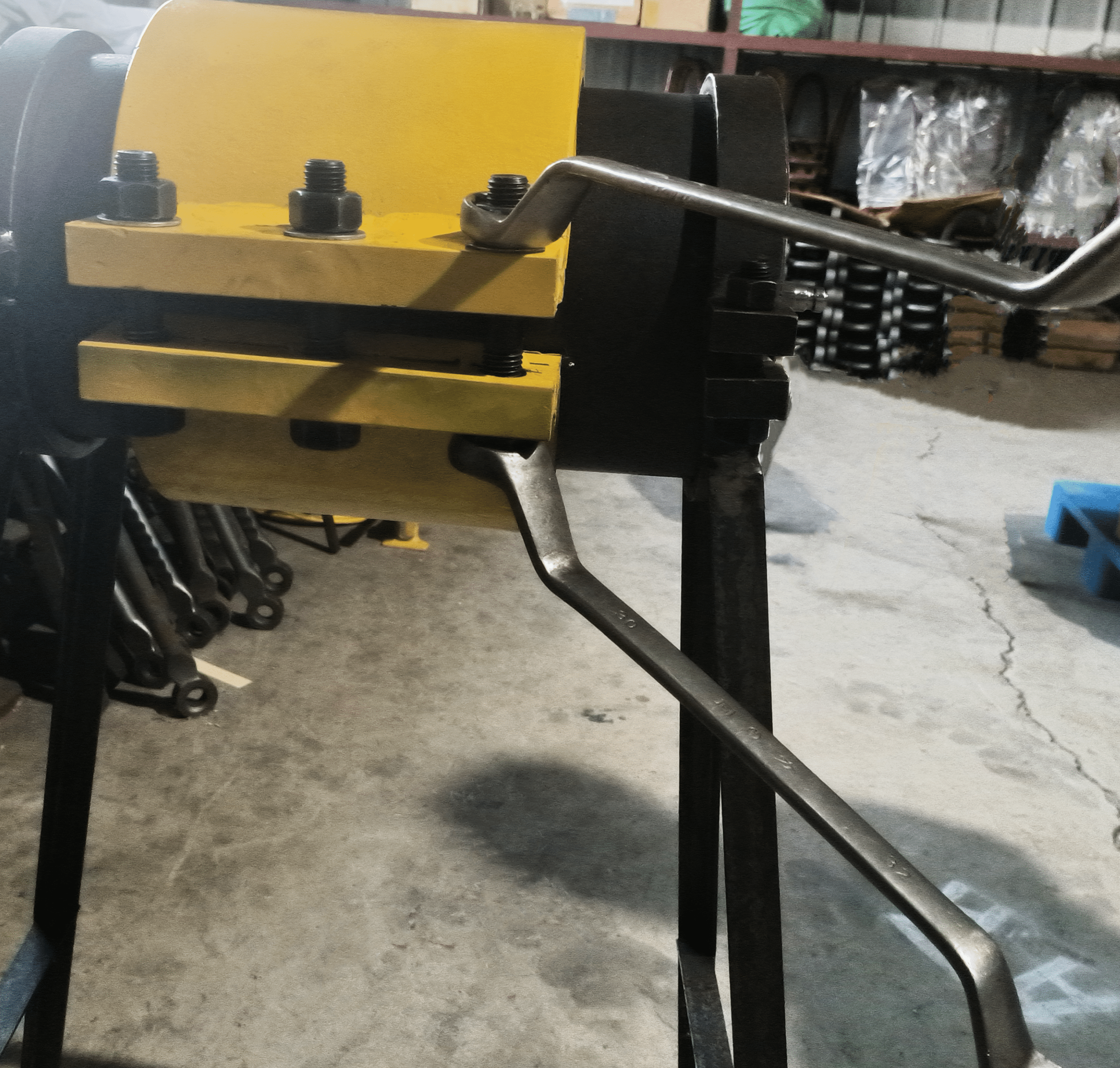
When a pipe bursts at 2 AM, your priority is to stop the leak as fast as possible. The choice between a clamp and welding can mean the difference between minutes of downtime and days of it. I got a call once from a municipal water manager. A 400mm ductile iron main pipe had a long crack. Welding would have taken over 24 hours and would have cut off water to a local hospital. We rushed a wide repair clamp to them, and their team had the leak sealed in under two hours. The water was back on before the hospital even felt the impact. That story really shows the power of having the right clamp ready.
Why Clamps Win in an Emergency
The advantages of clamps in an urgent situation are clear. You don't need a certified welder on standby. You don't need to completely drain and dry the pipe. You don't need to get a hot work permit, which can be a slow process in many industrial plants. One or two workers with a wrench can install most repair clamps. This speed drastically reduces downtime and the associated costs.
| Feature | Repair Clamp | Welding |
|---|---|---|
| Speed | Fast (minutes to hours) | Slow (hours to days) |
| Shutdown | Often not required or very short | Always required |
| Safety | No hot work, low risk | High risk (fire, fumes), needs permits |
| Skill Required | Basic mechanical skills | Certified, highly skilled welder |
| Cost | Lower initial cost, less downtime | High labor cost, expensive downtime |
Welding still has its place for certain new constructions or major pipeline modifications where the line can be shut down for a long time. But for emergency repairs, a clamp is the modern, efficient, and safe answer.
Can a Pipe Repair Clamp Be a Permanent Solution?
You used a clamp for a quick fix, but now you are worried. Is it just a temporary patch? You need to know if this solution will last for years.
Yes, a high-quality pipe repair clamp can be a permanent solution. When you choose the right size and install it correctly, modern clamps made from durable materials like stainless steel can last for the entire life of the pipeline.
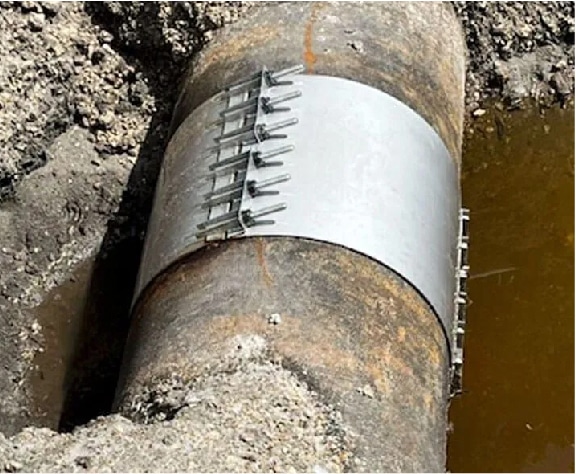
Many people think of clamps as a temporary "bandage" for a pipe. That might have been true 50 years ago. But today, with modern materials and engineering, that's not the case. As a manufacturer, we design and test our clamps to last for decades, even in harsh conditions like buried underground or in coastal areas with salty air. The key is choosing a quality product and installing it right. A cheap, flimsy clamp will fail. A robust, well-made clamp will become a permanent part of your pipeline.
What Makes a Clamp a Permanent Fix?
Three things make a clamp a permanent repair: material quality, proper sizing, and correct installation. First, the material is everything. We use stainless steel 304 or 316 for the clamp body because it will not rust. The bolts and lugs should also be stainless or heavy-duty ductile iron. Second, the clamp must be the right size for the damage, not just the pipe. For small pinholes, a narrow clamp works. But for long cracks or areas of corrosion, you need a wide clamp.
Sizing for a Permanent Seal
Here is a rule I always give my customers:
- For pipes with a diameter up to 300mm, the clamp must cover the damaged area and extend at least 80mm on each side.
- For pipes larger than 300mm, the clamp must extend at least 100mm on each side of the damage.
This extra coverage ensures the gasket creates a wide, secure seal that won't be compromised by vibrations or pressure changes. Following this simple rule turns a good repair into a permanent one.
| Clamp Material | Typical Environment | Expected Lifespan |
|---|---|---|
| Stainless Steel 304 | Above ground, dry | 50+ years |
| Stainless Steel 316 | Buried, corrosive | 50+ years |
| Galvanized Steel | Temporary use, dry | 5-10 years |
When you invest in a quality stainless steel clamp and install it correctly, you are not just patching a leak. You are making a permanent, reliable repair that you can trust for the lifetime of your pipe.
What Is the Fastest Way to Fix a Pipe Leak in an Industrial System?
Downtime in an industrial plant costs thousands per minute. A pipe leak is a crisis. You need the absolute fastest and safest way to stop the leak.
The fastest way to fix an industrial pipe leak is by using a hinged or multi-panel repair clamp. These clamps can be installed in minutes by one or two workers with basic tools, often without shutting down the line.
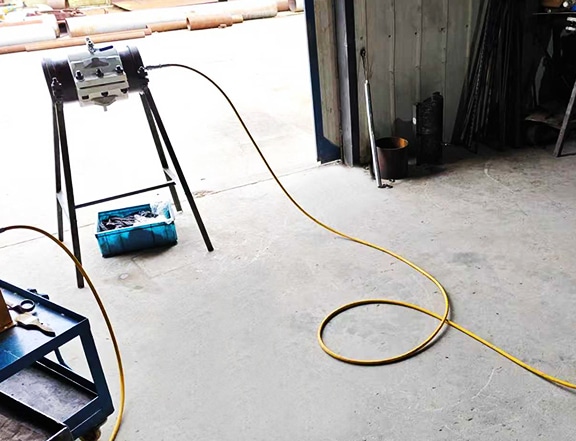
In my 30 years of making pipe fittings, the customers with the most to lose from a leak are my industrial clients. For them, speed is everything. The fastest solution is always a mechanical repair clamp. The design of these clamps is all about speed and ease of use. A single-panel hinged clamp can be opened, wrapped around the pipe, and bolted tight in less than 15 minutes. For larger pipes, we make two- or three-panel clamps that are just as easy to assemble around the leak. The process is simple and incredibly fast.
The Right Clamp for the Right Leak
The type of leak also determines the fastest fix.
- For a leak on a straight section of pipe: A standard, full-encirclement repair clamp is your best bet. You just need to know the pipe's outside diameter and the type of damage. As I mentioned, use a wider clamp for long cracks or corroded areas to ensure a good seal.
- For a leak at a pipe joint: A standard clamp won't work here. You need a special clamp called a bell joint repair clamp. These are specifically shaped to fit over the bell-shaped connection between two pipes and seal the leak at the joint.
Pro Tips for Special Situations
I've learned a few things that make repairs even faster and more reliable. First, always have a small stock of common-sized clamps at your facility. When a leak happens, you don't want to waste hours trying to find a supplier. Second, if you have a large gap between two pipe ends, maybe 25mm or more, a standard clamp might not work because the gasket can push into the gap. The fix is simple: wrap a thin piece of sheet metal around the gap before you install the clamp. This supports the gasket and ensures a perfect seal. This little trick has saved my clients countless hours and headaches.
The process is always the same: identify the leak, select the right clamp, quickly clean the pipe surface, install the clamp, and tighten the bolts. It’s a fast, simple, and reliable method that keeps industrial systems running.
Conclusion
Choosing the right repair clamp and installing it correctly gives you a fast, safe, and often permanent fix for pipeline leaks, saving you time, money, and stress.
