
A high-pressure pipeline leak is a ticking clock. The risk of disaster grows with every drop. You need a fast, reliable repair method that ensures safety and operational continuity.
The best method depends on leak severity, location, and operational needs. Options range from quick-response repair clamps and non-intrusive composite wraps to traditional welding or even full pipe replacement for severe damage. Each has specific uses, risks, and benefits that you must understand.
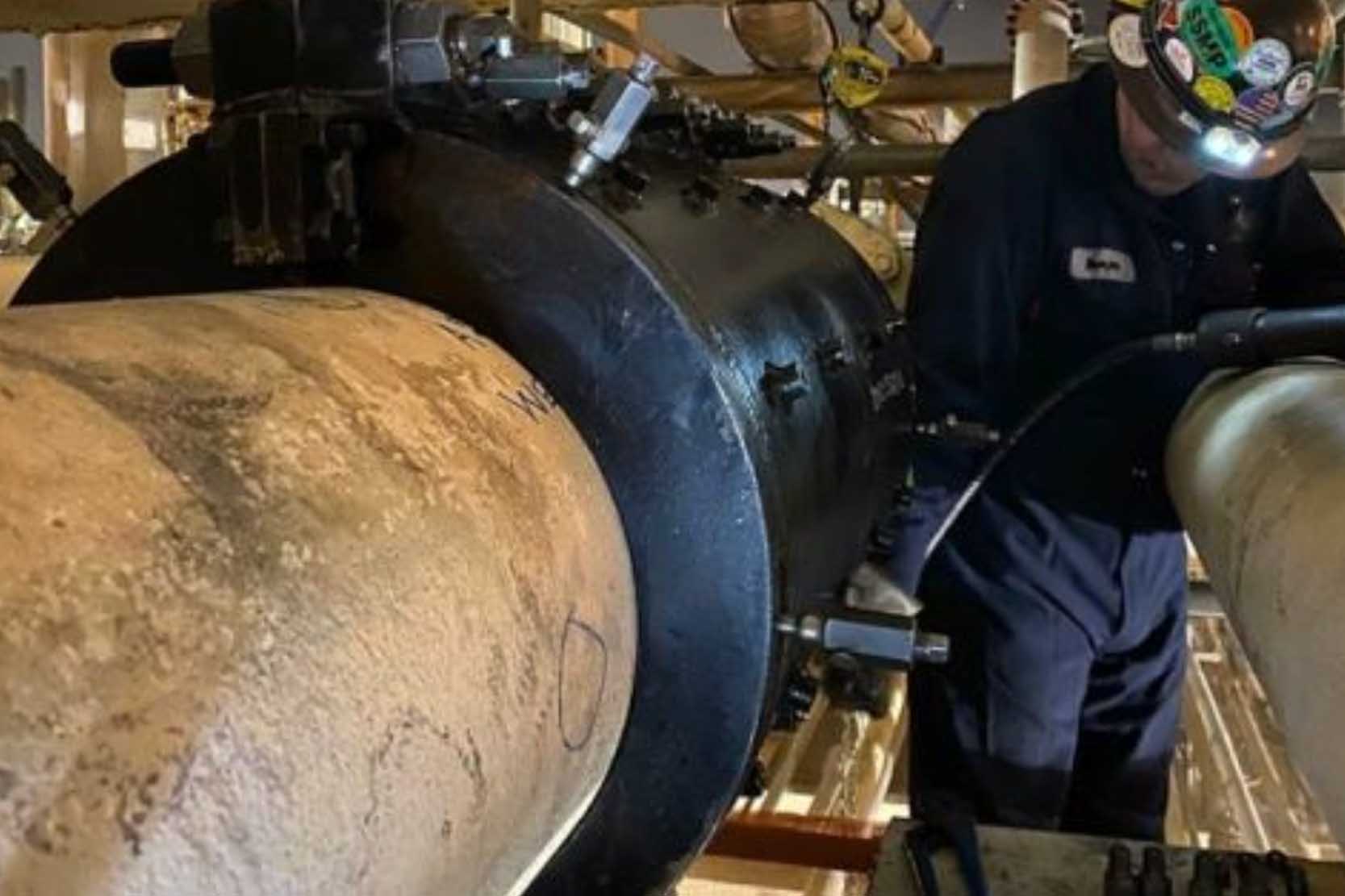
Choosing the right approach is critical. A mistake can lead to catastrophic failure, costing millions in damages and posing a severe threat to personnel and the environment. It is not a decision to be taken lightly. Let's break down what causes these leaks and how to choose the right solution for your specific situation to ensure a safe and lasting repair.
What causes high-pressure pipeline leaks in oil and gas systems?
Unexplained pipeline failures can halt operations and cause huge losses. Understanding the root cause is the first step to prevention. Are you aware of the most common culprits lurking in your system?
Leaks are often caused by corrosion, material defects, mechanical damage from third-party activity, or operational stress. High internal pressure makes the pipeline more vulnerable to these factors, turning small flaws into major failures that demand immediate and effective action to prevent escalation.
Based on my 30 years of manufacturing experience, I've seen how these issues develop. It’s crucial to understand them to prevent them. High pressure acts as an amplifier, making every small problem much worse. A tiny corrosion pit that might be harmless in a low-pressure water line can become a rupture point in a high-pressure gas line. The constant stress from high pressure also accelerates metal fatigue, especially at joints and bends. I remember a case where a client's pipeline failed due to a pressure surge that exploited a pre-existing manufacturing flaw. This highlights why understanding the full operational context is just as important as the pipe's physical condition. Our R&D team always considers these factors when designing fittings for high-stress applications.
Common Causes of Pipeline Failure
Here’s a breakdown of the primary factors that lead to leaks:
| Cause | Description |
|---|---|
| Corrosion | Both internal (from the product) and external (from the environment) corrosion degrades the pipe wall, creating weak spots. |
| Material Defects | Flaws introduced during the pipe's manufacturing process, such as bad welds or impurities in the steel. |
| Mechanical Damage | Impacts from excavation equipment, anchors, or ground movement can create dents and gouges that compromise the pipe's strength. |
| Operational Stress | Constant pressure cycles, temperature fluctuations, and sudden pressure surges (water hammer ) cause metal fatigue over time. |
Why are high-pressure pipeline leaks more dangerous than you think?
You might see a small leak as a minor issue. But in a high-pressure system, it is a direct warning sign of potential disaster. The stakes are much higher than just lost product.
High pressure amplifies every risk. It can cause explosive decompression, a wider blast radius, and rapid release of flammable or toxic materials. The environmental damage and safety hazards are significantly greater than with low-pressure systems, demanding a more cautious and robust response.
The physics are simple: high pressure equals high stored energy. When that energy is released uncontrollably, the consequences are severe. I've talked to field engineers who have witnessed the aftermath. A pinhole leak in a high-pressure gas line can sound like a jet engine and can ignite instantly, creating a torch-like flame that is incredibly difficult to fight. For oil pipelines, the high pressure can spray crude oil over a vast area in a short amount of time, leading to massive environmental contamination. This isn't just about patching a hole; it's about containing a massive amount of stored energy. That's why my team and I always emphasize that for high-pressure applications, the repair solution must be engineered to handle not just the pressure, but the potential for catastrophic failure. Safety is the absolute priority.
Low-Pressure vs. High-Pressure Leak Consequences
| Consequence | Low-Pressure Leak | High-Pressure Leak |
|---|---|---|
| Release Rate | Slow drip or seep | High-velocity jet or spray |
| Failure Mode | Leak, small split | Catastrophic rupture, explosion |
| Safety Radius | Small, localized | Large, requires significant evacuation |
| Environmental Impact | Contained, localized | Widespread, rapid contamination |
What factors determine the best repair method?
Choosing the wrong repair method can be a costly mistake, leading to re-work or even a more severe failure. How can you ensure you make the right choice every single time for your pipeline?
Key factors include the leak's size and type (pinhole, crack, rupture), pipe material, operating pressure and temperature, the substance being transported, and whether a shutdown is possible. The location and accessibility of the leak also play a major role in the decision.
When a client comes to us for a repair solution, we don't just ask for the pipe diameter. We have a detailed checklist to run through. We need to know the operating pressure, the temperature, the fluid inside, and the expected service life of the repair. I once had a client who wanted a standard clamp for a high-pressure steam line. I had to explain that the temperature and pressure combination required a specially engineered solution with different materials and gaskets to be safe. Choosing the right method is a technical decision, not just a simple purchase. A rushed choice is almost always the wrong one.
Decision-Making Checklist
| Factor | Implication on Repair Choice |
|---|---|
| Shutdown Possible? | If yes, allows for permanent solutions like welding or replacement. If no, requires live-line solutions like clamps or composite wraps. |
| Leak Type/Size | A pinhole can be clamped. A long running crack may need a full encirclement sleeve or replacement. |
| Pipe Location | An underwater or buried leak has different accessibility challenges than one above ground. Bends and fittings require custom solutions. |
| Pipe Contents | Flammable gas prohibits hot work (welding). Corrosive chemicals may require specific gasket or sleeve materials. |
Temporary vs. permanent pipeline repair: which one do you need?
You have a leak. Do you need a quick fix now or a long-term solution? Making the wrong call can create more problems and increase risk down the road. Let's clarify the difference.
A temporary repair, like a specialized clamp, is a fast solution to stop a leak and restore service quickly. This buys you time for a planned permanent fix. A permanent repair, like welding or pipe replacement, is designed to last for the pipeline's remaining service life.
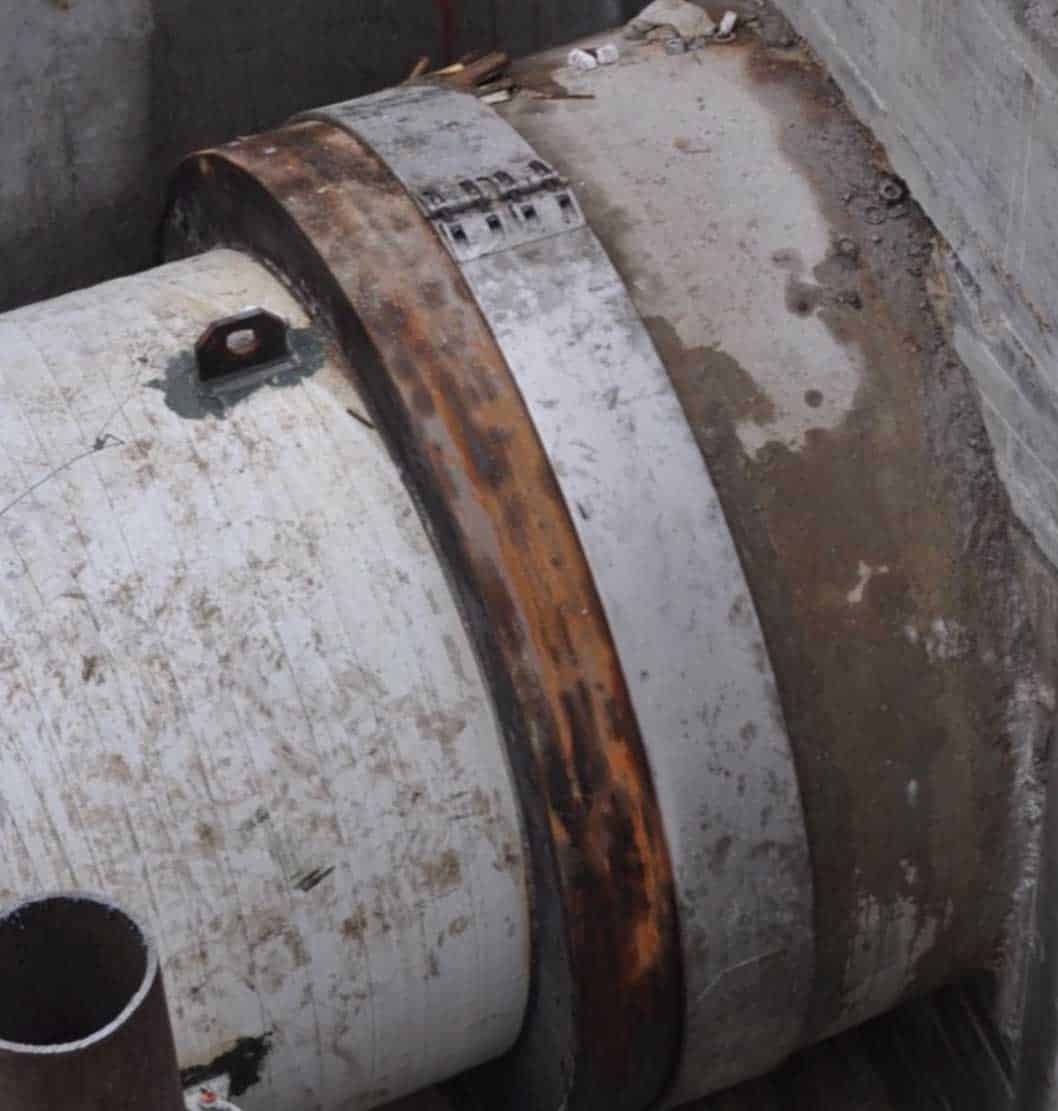
Often, a temporary repair is the critical first step in a larger strategy. For example, a project manager might use one of our high-pressure clamps to immediately stop a dangerous leak on a critical line. This makes the site safe and gets the pipeline operational again within hours, minimizing downtime and revenue loss. Then, during the next scheduled plant shutdown, they can implement a permanent solution like replacing the affected section without the pressure of an active emergency. The temporary fix isn't a failure; it's a critical part of a two-stage repair strategy that balances safety, cost, and operational uptime. It's about managing risk effectively and giving you control over the situation.
Understanding the Lifespan of Repairs
| Aspect | Temporary Repair (e.g., Clamp) | Permanent Repair (e.g., Replacement) |
|---|---|---|
| Goal | Stop leak, restore service fast, manage risk | Restore pipe's original structural integrity |
| Lifespan | Months to a few years | Decades (equal to pipe life) |
| Cost | Lower upfront cost | Higher upfront cost |
| Disruption | Minimal, often done on a live line | Major, requires full shutdown |
Are pipe repair clamps the fastest solution for high-pressure pipelines?
A leak is costing you money and creating risk with every second that passes. You need to stop it now. Is there a solution that offers both speed and safety for high-pressure lines?
Yes, pipe repair clamps are typically the fastest method for sealing leaks on high-pressure pipelines, often without a shutdown. They are bolted onto the pipe over the defect, and the internal gasket creates a secure seal, allowing the line to remain operational during and after installation.
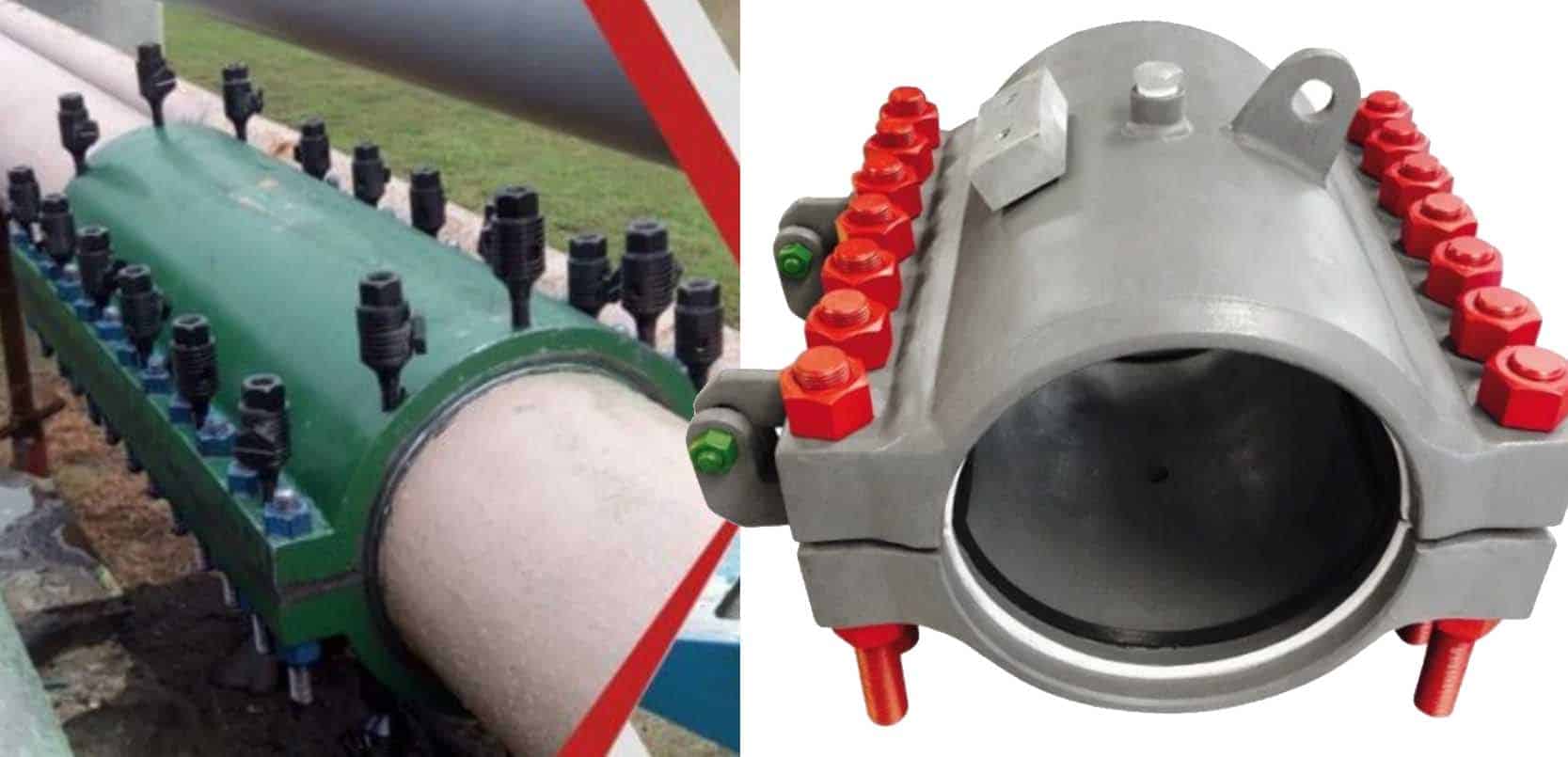
These are not your standard plumbing clamps. In my 30 years of manufacturing, I have seen the critical difference. A standard water pipe clamp would buckle or fail instantly under the immense pressure of an oil or gas line. Our high-pressure clamps are heavy-duty, engineered products. We use high-yield-strength steel and often a full-enclosure structural design that completely surrounds the pipe to contain the pressure effectively. Every component—the bolts, the clamp body, and the gasket material—is selected and tested to withstand the specified maximum operating pressure with a significant safety factor. It’s a specialized piece of engineering designed for the most demanding conditions, not a simple off-the-shelf part. Speed is important, but only when it is matched with certified strength and reliability.
How High-Pressure Clamps Work
The principle is straightforward but requires precision engineering:
- Encasement: The clamp body, made of high-strength steel, is placed around the damaged pipe section.
- Compression: As the bolts are tightened to a specific torque, the clamp presses a durable elastomeric gasket against the pipe surface.
- Sealing: The gasket conforms to the pipe's surface and seals the leak, while the steel body contains the pressure and reinforces the weak area.
What about composite wrap repair systems as a non-intrusive solution?
Welding is risky and clamps can be bulky. What if you need a strong, non-intrusive repair for complex shapes like bends or areas with widespread external corrosion? There is a modern alternative you should know about.
Composite wrap systems involve applying layers of high-strength fiber (like carbon or glass) embedded in a polymer resin over the damaged area. They cure to form a hard, durable shell that reinforces the pipe and can seal leaks without requiring any hot work or welding.
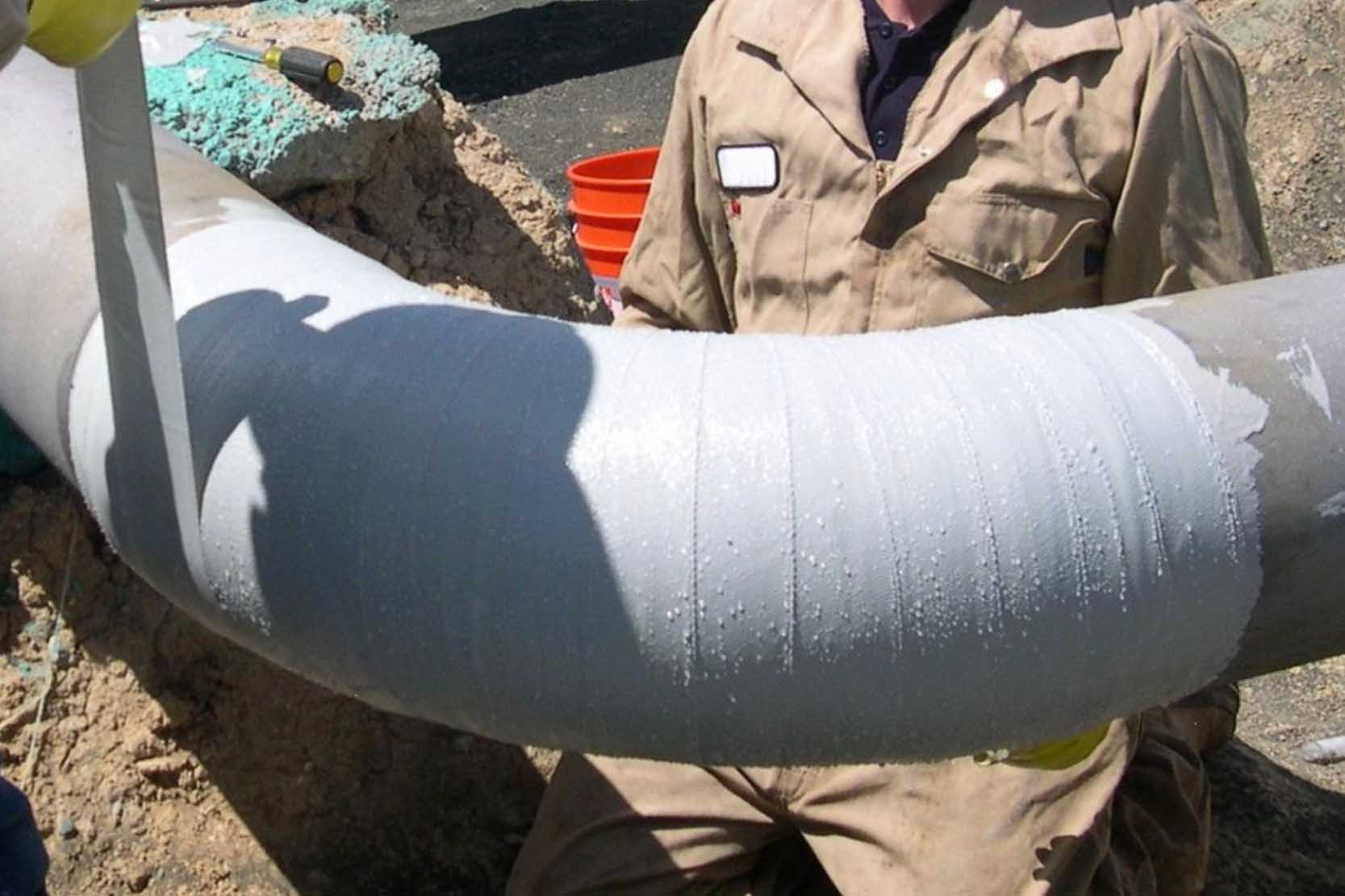
I've seen these systems gain popularity, especially for repairing external corrosion or reinforcing pipe sections with complex geometry. While our factory specializes in mechanical fittings like clamps, I respect the technology behind composite wraps. The absolute key to a successful composite repair is surface preparation. If the pipe isn't cleaned and profiled perfectly, the resin won't bond correctly, and the repair will fail under pressure. It's less about the material itself and more about the skill and diligence of the application technician. For a straightforward leak on a straight pipe section, a mechanical clamp is often faster, more reliable, and less technique-dependent. But for widespread wall loss on a bend or tee, a composite wrap can be a superior and more conforming long-term solution.
Clamps vs. Composite Wraps
| Feature | High-Pressure Clamp | Composite Wrap |
|---|---|---|
| Best Use | Pinhole leaks, cracks, punctures | Widespread corrosion, complex geometry |
| Installation Speed | Very fast (hours) | Slower (requires prep and cure time) |
| Hot Work Required? | No | No |
| Dependency | Proper torque on bolts | Meticulous surface prep and application |
Is welding a good repair method, or is it a traditional but risky option?
Welding seems like the ultimate permanent fix, creating a seamless, integrated repair. But introducing that much heat to a pipeline that has carried hydrocarbons carries huge risks. Are you weighing the dangers properly?
Welding can provide a fully permanent, structural repair that restores the pipe to its original condition. However, it is extremely risky on high-pressure lines, especially if they carry flammable materials. It requires a complete shutdown, purging of the line, and highly skilled welders.
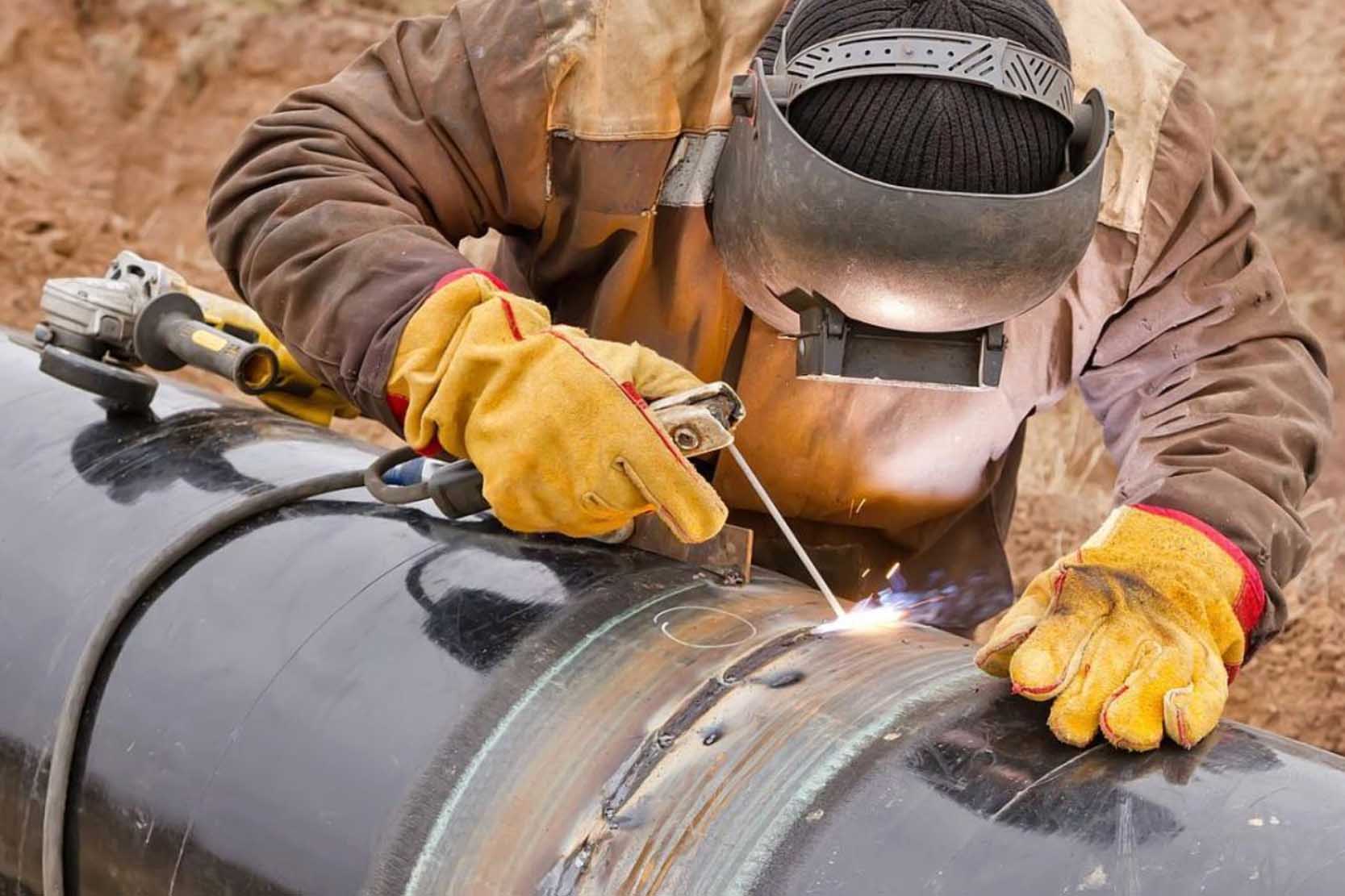
From my manufacturing viewpoint, welding is a process we use to create new products in a highly controlled factory environment. Taking that process into the field, onto a pipeline that has contained flammable gas or oil, is a completely different world. I've heard stories from pipeline engineers about the extensive safety procedures required—it can take days of flushing, cleaning, and testing just to prepare a section for a single weld. Any mistake, any residual flammable vapor, can be catastrophic. This process can also damage the pipe's metallurgy in the heat-affected zone, potentially creating a new weak spot. That's why many operators now prefer non-intrusive "cold work" methods like high-pressure clamps or composite wraps, which eliminate the risk of fire and explosion entirely.
The High Stakes of Hot Work
- Fire and Explosion: The primary risk when working on pipelines that have carried hydrocarbons.
- Metallurgical Damage: The intense heat can alter the steel's grain structure, making it more brittle and prone to cracking.
- Safety Overhead: Requires extensive shutdown, purging, and atmospheric testing, making it slow and expensive.
When is full pipe replacement the only option because repair is no longer enough?
You have tried clamps and considered wraps, but the damage is too severe or widespread. How do you know when it is time to stop patching a failing asset and start replacing the entire section?
Full replacement is necessary when the pipe has extensive corrosion, severe mechanical damage (like a major dent or gouge), or a long running crack that compromises its structural integrity. If a repair cannot restore the pipe to a safe operational level, replacement is the only responsible option.
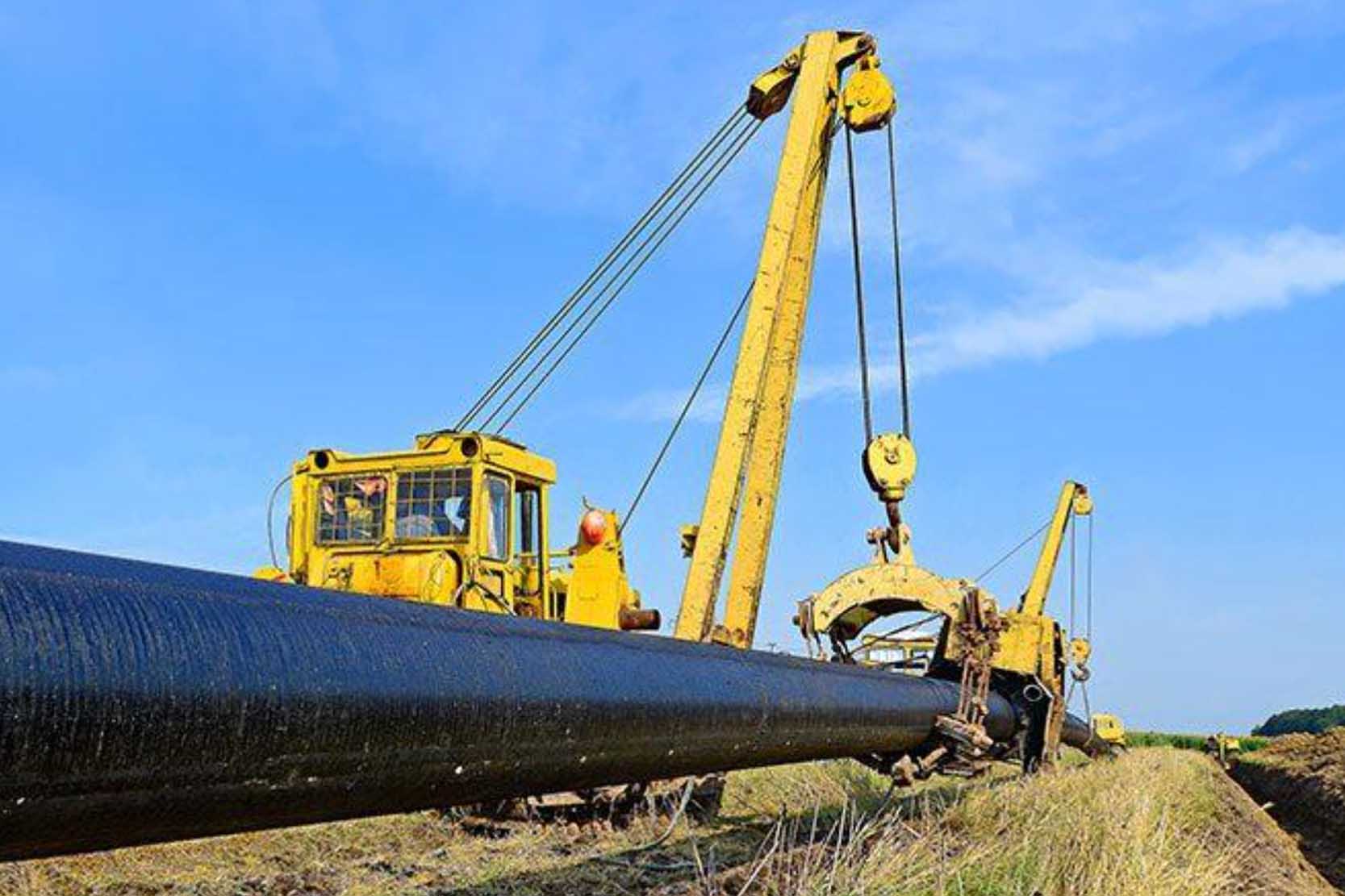
This is where our main business of manufacturing new components comes into play. When a section is replaced, it is a major capital project, not a simple maintenance repair. It involves excavation, cutting out the old, damaged section, and welding in a new one, complete with new flanges, fittings, and valves. The focus shifts entirely from a quick fix to long-term reliability for the next 30-50 years. As a manufacturer of these components, we know that quality is paramount here. The new section must last for decades. This means every flange, every bolt, and every valve must meet the strictest international specifications and undergo rigorous testing. It is the most expensive and disruptive option, but for a pipeline at the end of its life or with catastrophic damage, it is the only safe one.
What is the step-by-step guide to fixing a high-pressure pipeline leak safely?
Facing a high-pressure leak is stressful. A single misstep during the repair process can be disastrous. Do you have a clear, safe procedure to follow from the moment of detection to the final sign-off?
First, secure the area and assess the risk. If at all possible, reduce the pipeline pressure. Select the appropriate repair method, prepare the pipe surface meticulously, and install the repair device strictly according to the manufacturer's instructions. Finally, test and monitor the repair.
This isn't just a list; it's a safety culture. The most critical step is reducing pressure. Trying to work on a fully pressurized high-pressure line is incredibly dangerous. Even a small reduction in pressure can significantly lower the risk. I've seen projects delayed because the surface preparation wasn't perfect, and it was the right call. It is always better to be slow and right than fast and wrong. When we supply a high-pressure clamp, our instructions are very specific about bolt tightening patterns and torque values. Following these steps isn't optional; it is essential for ensuring the repair holds under immense pressure and keeps everyone safe.
A Safe Repair Protocol
- Isolate & Secure: Cordon off the area, post warnings, and ensure all personnel have proper PPE.
- Assess & Plan: Identify the leak type, pressure, and contents to inform the repair plan.
- Depressurize (If Possible): This is the single most important safety step to reduce stored energy.
- Select Repair Method: Choose the right clamp, wrap, or other solution based on your assessment.
- Surface Preparation: Clean the pipe surface to bare metal, removing all coating, rust, and dirt.
- Installation: Follow the manufacturer's instructions precisely.
- Testing & Verification: Slowly and carefully repressurize the line while monitoring the repair for any signs of leakage.
- Documentation: Record the location, date, method, and all specifications of the repair for future reference.
How do you select a reliable high-pressure pipeline repair supplier?
Your repair is only as good as the product you use. A cheap, uncertified repair clamp can lead to a catastrophic failure, erasing any initial savings and creating a much bigger problem. How can you be sure your supplier is reliable?
A reliable supplier provides full material traceability and inspection certificates for both raw materials and finished products. They follow international standards, have proven experience with high-pressure applications, and welcome third-party or customer inspections to verify their quality and pressure testing procedures.
This is personal for me. As a manufacturer with 30 years of experience, this is what separates us from traders or low-quality factories. When a client for a high-pressure application asks for our material certificates, we have them ready. We can show them our pressure testing bay where we test our designs to failure, far beyond their stated working pressure. We encourage on-site inspections because we are proud of our process and our people. A supplier who hesitates to provide this documentation or blocks an inspection is a huge red flag. For high-pressure repairs, you are not just buying a product; you are buying safety and assurance. You must verify it.
Supplier Verification Checklist
- Certifications: Ask for Mill Test Reports (MTRs) for the steel and Certificates of Conformity for the finished product.
- Standards Compliance: Do they manufacture and test to recognized standards like ASME PCC-2 or API?
- Pressure Testing: Can they provide a hydrotest certificate for the specific product, showing the test pressure and holding time?
- Transparency: Are they willing to allow you or a third party to inspect their facility and witness testing?
Conclusion
Repairing high-pressure leaks requires careful planning and proven solutions. Choosing the right method and a certified supplier is critical to ensuring long-term safety and operational integrity for your pipeline.
