
Struggling with unexpected seawater pipeline leaks? These failures cause costly shutdowns and environmental risks. You need reliable, fast solutions to get your operations back on track and prevent future problems.
The best leak repair solution depends on the damage. For emergencies, repair clamps offer a fast fix. For medium damage, split sleeves or composite wraps are effective. For severe failures, replacing the pipe section is the most reliable long-term solution.
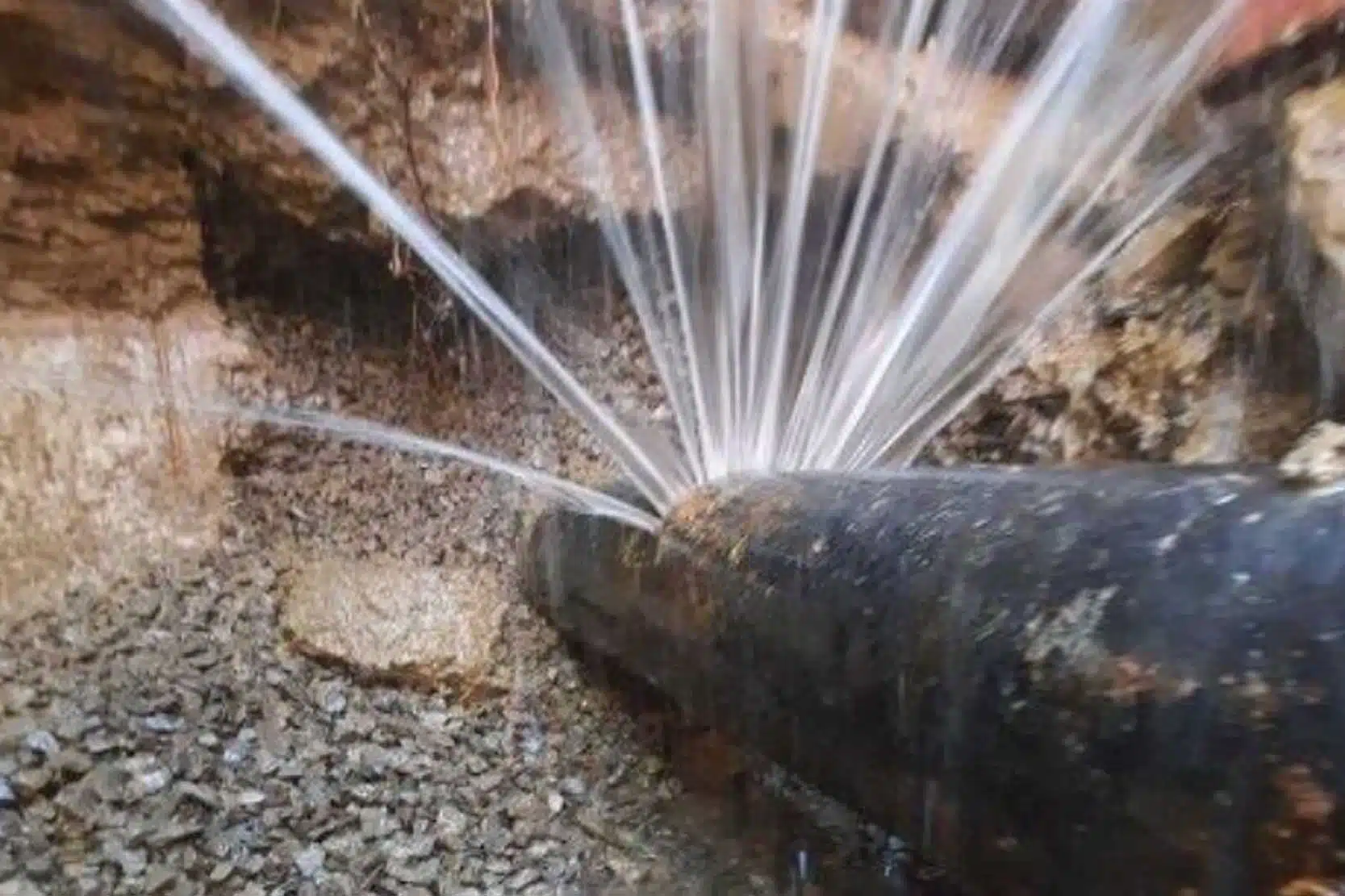
Understanding the right repair method is critical for maintaining your infrastructure. But to choose the best one, you first need to understand why these leaks happen so often and what kind of damage you're dealing with. Let's explore the causes, the types of leaks you might see, and the specific solutions available for each situation. Getting this right will save you time, money, and a lot of headaches down the road.
Why Are Seawater Pipelines So Prone to Leakage?
Do you find yourself constantly dealing with leaks in your seawater systems? These unexpected failures are frustrating and expensive. Understanding the root cause is the first step toward a real solution.
Seawater pipelines leak mainly because of corrosion. The high salt content in seawater eats away at most metals over time. This process creates weak spots, like pits and cracks, that eventually turn into leaks.
In my 30 years in the pipeline industry, I've seen how aggressive seawater can be. The problem isn't just one thing; it's a combination of factors that work together to break down the pipe.
Internal Corrosion Mechanisms
The biggest enemy is the chloride ion, which is abundant in salt water. It attacks the passive layer that normally protects metals like steel. This leads to very localized and aggressive forms of corrosion.
- Pitting Corrosion: This creates small, deep holes in the pipe wall. They can be hard to detect but can penetrate the pipe quickly, leading to pinhole leaks.
- Crevice Corrosion: This happens in tight spaces where water is stagnant, like under gaskets or at joint overlaps. The lack of oxygen in these areas creates a perfect environment for corrosion to thrive.
- Erosion Corrosion: Seawater often contains sand and other abrasive particles. As this water flows at high speeds, it wears away the pipe material and its protective coatings, exposing fresh metal to corrosion.
External Factors
The pipe is also under attack from the outside.
| Factor | Description | Impact on Pipeline |
|---|---|---|
| Soil Chemistry | Aggressive soils with high moisture and salt content can corrode the external surface of buried pipes. | Causes external pitting and general metal loss. |
| Mechanical Stress | Pressure fluctuations, ground movement, and vibrations put physical stress on the pipe. | Can lead to stress corrosion cracking, especially at welds. |
| Galvanic Corrosion | Occurs when two different metals are in contact in an electrolyte (seawater). The less noble metal corrodes faster. | Common at joints with different metal bolts or flanges. |
Understanding these failure mechanisms is key to both repairing leaks and preventing them in the first place.
What Are the Common Types of Leakage in Seawater Pipelines?
You've found a leak, but what kind is it? Identifying the type of failure is crucial. A small drip requires a different response than a large crack that is quickly getting worse.
Common leaks in seawater pipelines include small pinholes from pitting corrosion, long cracks from stress, and gasket failures at joints or flanges. Each type signals a different underlying problem and level of urgency.
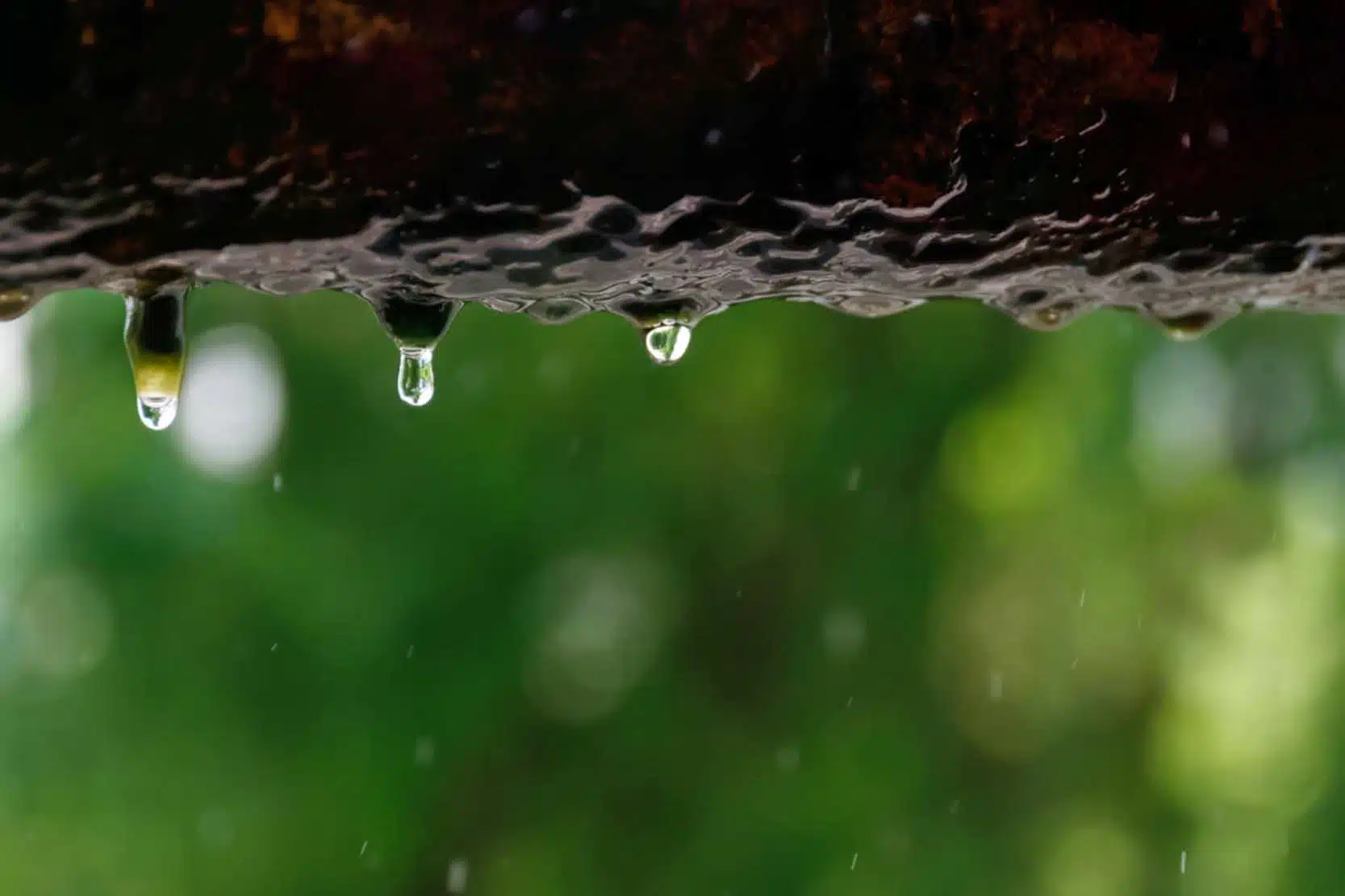
Knowing how to spot and categorize a leak helps you react correctly. During a site visit for a client, we found what looked like a minor drip. Upon closer inspection, it was a symptom of a much larger problem. Here’s a breakdown of what you might encounter.
Pinhole Leaks
These are tiny holes, often the size of a pinprick, that produce a steady drip or a fine spray.
- Cause: Typically caused by pitting corrosion, where corrosion digs deep into the pipe wall in one small spot.
- Significance: While small, they are a serious warning sign. Where there is one pinhole, others are likely forming. The pipe wall in that area is probably much thinner than you think.
Cracks
Cracks are more serious and can escalate quickly.
- Longitudinal Cracks: Run along the length of the pipe. They are often caused by internal pressure combined with a manufacturing defect or corrosion.
- Circumferential Cracks: Run around the pipe's circumference. These are often caused by external stress, like ground shifting or bending forces on the pipeline.
Joint and Flange Leaks
Joints are inherently the weakest points in any pipeline.
- Cause: These leaks often result from the failure of a gasket, loose or corroded bolts, or misalignment of the flanges. The constant exposure to corrosive seawater degrades seals over time.
- Significance: A leaking joint might seem simple to fix by tightening bolts, but it often indicates that the gasket material is no longer suitable or the flange faces are corroded.
Recognizing these different leak types helps you choose the right repair method immediately.
How Do You Choose the Right Leak Repair Method?
You have a leak, and the pressure is on to fix it. Choosing the wrong method can be a waste of time and money, or worse, lead to a bigger failure down the line.
To choose the right repair, you must assess the leak's severity, location, and whether the pipeline can be shut down. Match the damage level—minor, medium, or severe—to a specific repair solution.
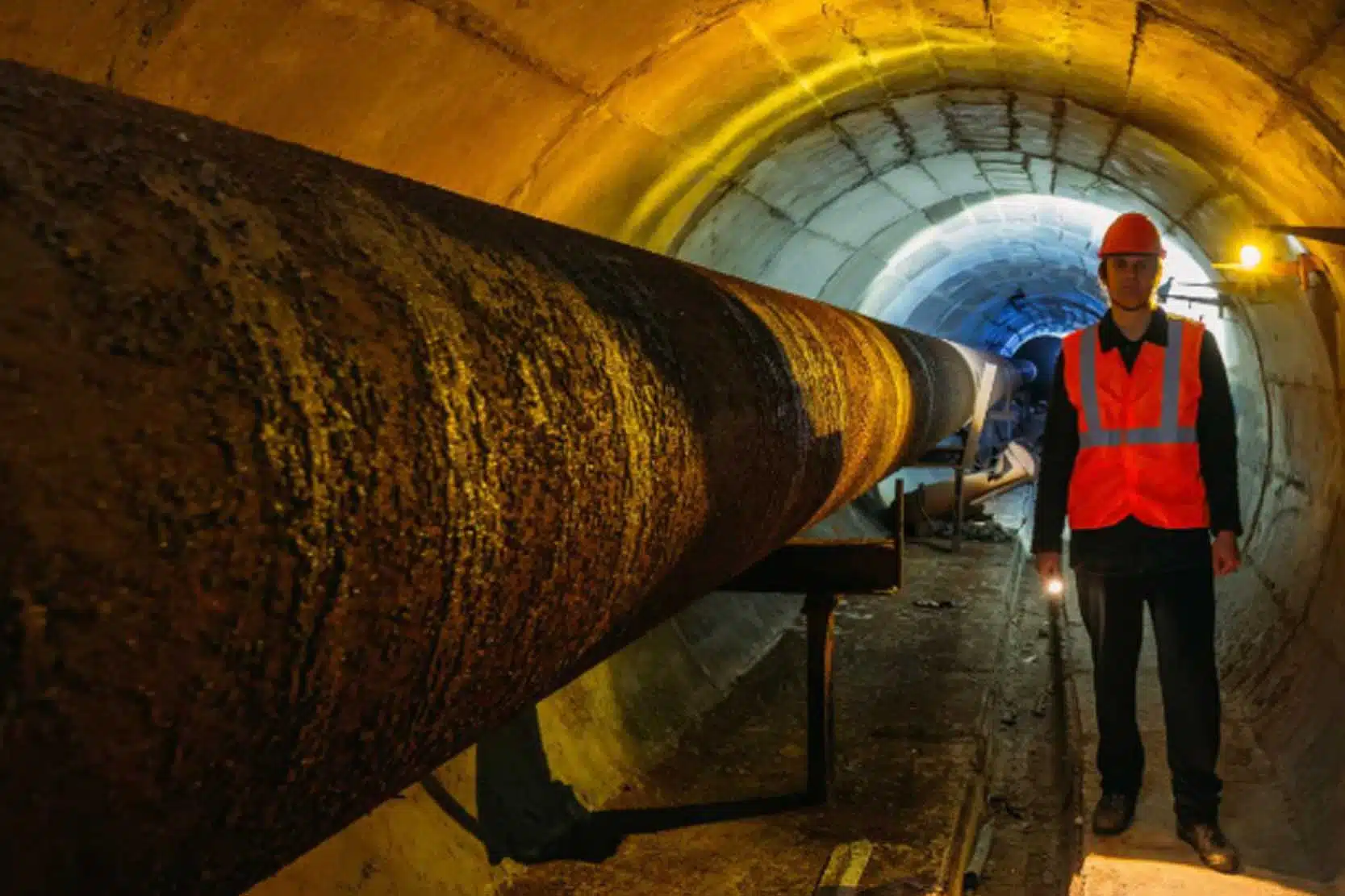
There is no single "best" solution for all leaks. The ideal choice depends entirely on the situation. I always tell my clients to think of it like a toolbox; you need to pick the right tool for the job. A hammer won't work when you need a screwdriver. This decision-making process is critical for a safe and effective repair.
Here’s a simple framework I use to help teams decide on a course of action.
| Damage Severity | Description | Recommended Repair Method | Key Consideration |
|---|---|---|---|
| Minor | Pinhole leaks, small drips, minor surface corrosion. | Repair Clamp, Composite Wrap | Can be done quickly, often without a full shutdown. Good for immediate containment. |
| Medium | Small-to-medium cracks, significant corrosion, joint leaks. | Split Sleeve, Mechanical Connector, Composite Wrap | Offers more structural support than a simple clamp. May require reduced pressure or a short shutdown. |
| Severe | Large cracks, pipe bursts, catastrophic joint failure, extensive metal loss. | Pipe Section Replacement, Welding | The most permanent solution but also the most disruptive. Requires a full shutdown and extensive work. |
Before starting any repair, always ask:
- Can we shut down the line? If not, your options are limited to online repairs like clamps or some composite wraps.
- What is the operating pressure? The repair method must be rated for the pipeline's pressure.
- What caused the leak? If it's corrosion, the repair should also address the risk of future corrosion in that area. A simple clamp on a corroded pipe is only a temporary fix.
Are Repair Clamps the Fastest Solution for Emergency Seawater Leaks?
An emergency leak happens, and every minute of downtime is costing you money. You need a fix, and you need it now. Is a repair clamp the right answer for this situation?
Yes, repair clamps are almost always the fastest solution for emergency leaks. They can be installed quickly with basic tools, often without shutting down the pipeline, providing immediate containment of the leak.
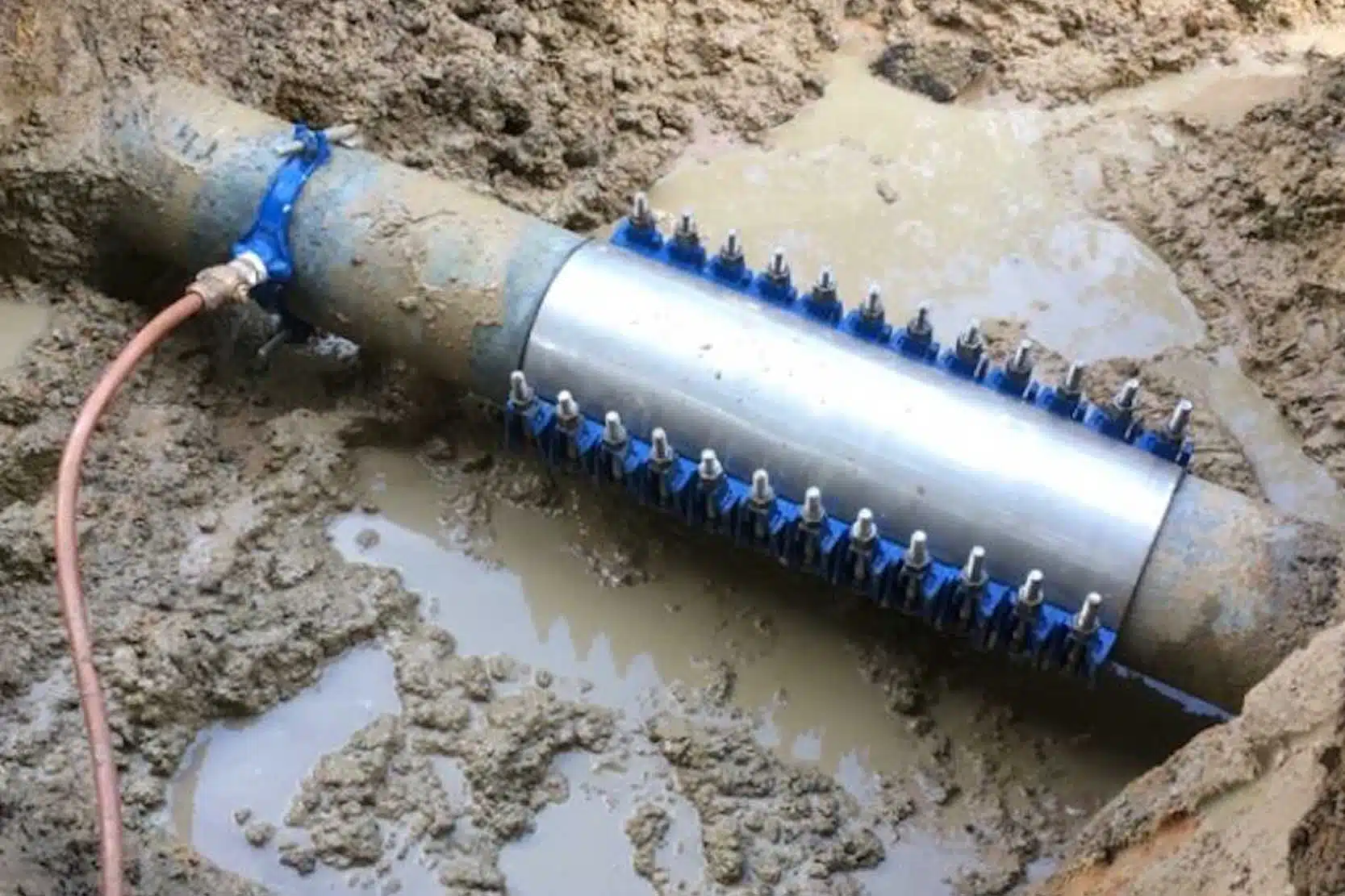
Repair clamps are a lifesaver in a crisis. I remember a call from a coastal facility with a pinhole leak in a critical cooling line. A shutdown was not an option. We guided their team to install a stainless steel band clamp, and they had the leak sealed in under an hour.
How Repair Clamps Work
The concept is simple but effective. A repair clamp consists of a metal band (or multiple sections) with a rubber gasket on the inside. You place the clamp over the leak, and as you tighten the bolts, the gasket is compressed against the pipe surface, creating a seal that stops the leak.
Advantages and Limitations
They are an essential part of any maintenance team's toolkit for several reasons:
- Speed: Installation is extremely fast compared to any other method.
- Simplicity: They require only basic hand tools, like a wrench.
- Versatility: They work on pinholes, small cracks, and corroded areas.
- Online Repair: Many can be installed while the pipe is still under pressure.
However, it's crucial to understand their limits. A standard repair clamp does not add significant structural strength back to the pipe. If the pipe is severely weakened by corrosion, a clamp is just a temporary patch. For seawater applications, it's vital to use a clamp made of corrosion-resistant material, like 316 stainless steel, to avoid creating a new corrosion problem.
When Should You Use Split Sleeves and Mechanical Connectors for Medium Damage?
Your pipeline has a crack that's too big for a simple clamp, but not bad enough for a full replacement. This is where more robust solutions come into play. What are your options?
Use split sleeves for repairing long cracks or heavily damaged sections. Use mechanical connectors to replace faulty joints or small sections of pipe without welding. Both are ideal for medium-level damage.
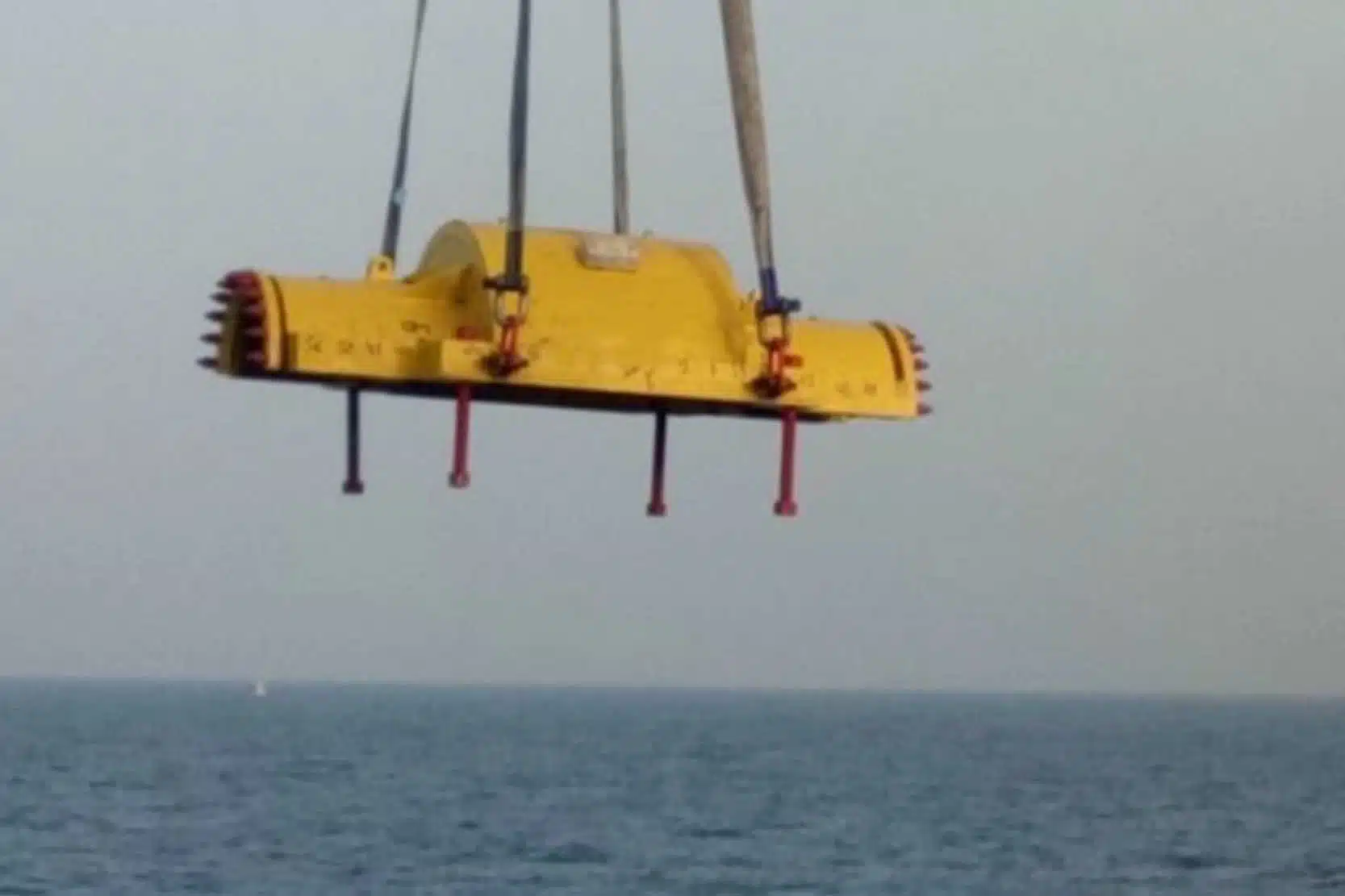
These methods are the next step up in structural repairs. As a manufacturer of pipeline components, we design products like mechanical connectors to provide a strong, reliable fix that lasts. Think of these as semi-permanent or permanent repairs, depending on the application.
Split Sleeves
A split sleeve is like a heavy-duty, two-piece version of a repair clamp. It's a sleeve that is split in half lengthwise. The two halves are placed around the pipe and bolted together.
- Application: Ideal for reinforcing pipes with long cracks, significant corrosion, or dents. Some split sleeves can be welded to the pipe for a fully permanent, structural repair, but this requires a shutdown and hot work.
- How it Works: It contains the pressure and reinforces the weak area, distributing the stress over a larger surface.
Mechanical Connectors
Mechanical connectors , or couplings, are used to join two pipe ends together without welding or flanging.
- Application: Perfect for cutting out a small, damaged section of pipe and replacing it with a new piece (a "spool piece"). They are also great for replacing a leaking flange or joint.
- How it Works: The connector slides over the two pipe ends. When you tighten the bolts, internal gaskets seal against the pipes, and anchoring teeth grip the pipe surfaces to prevent them from pulling apart. In our factory, we pay close attention to the design of these gripping mechanisms to ensure they can handle high pressures and axial forces.
Both solutions are much stronger than a standard clamp and are excellent choices when you need to restore some of the pipe's structural integrity.
How Can Composite Wrap Systems Protect Against Corrosion and External Damage?
You've repaired a leak, but the pipe around it is still corroded. You're worried the problem will just reappear a few feet away. How can you both repair and protect the pipe long-term?
Composite wrap systems use fiberglass or carbon fiber fabrics with epoxy resins to repair leaks and reinforce the pipe. They restore strength and create a new, corrosion-proof external shell, protecting against future damage.
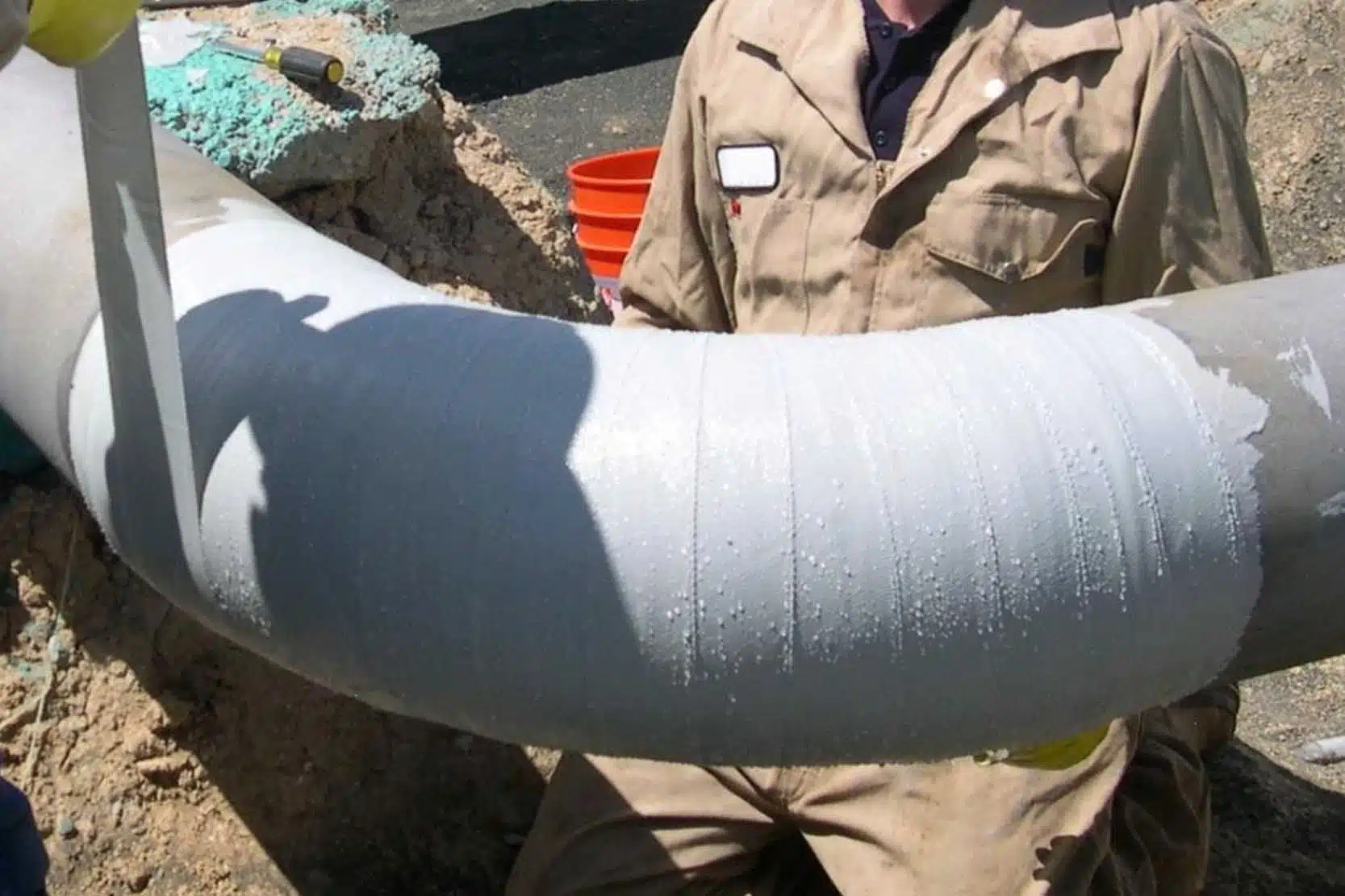
I've become a big fan of composite wraps over the years. They are incredibly versatile. It's not just a patch; it's a structural upgrade for your pipe. We once worked on a project with a pipeline that had extensive external corrosion but was otherwise sound. Instead of replacing the entire section, they used a composite wrap system to restore its strength and encapsulate it in a protective barrier.
How Composite Wraps Work
The process involves a few key steps:
- Surface Preparation: The pipe surface is cleaned and roughened to ensure a strong bond. This is the most critical step.
- Leak Sealing: If there's an active leak, a primary sealant or clamp is used to stop it first.
- Application: A high-strength epoxy resin is applied to the pipe, followed by wrapping it with a fabric made of fiberglass, carbon fiber, or other advanced materials.
- Curing: The resin cures (hardens), forming a rigid shell that is bonded to the pipe.
This new shell is not only strong but also completely resistant to seawater and other chemicals. It effectively creates a "pipe within a pipe," restoring the original strength (or even making it stronger) and preventing any further external corrosion. It's an excellent solution for complex geometries like bends and tees, where a clamp or sleeve wouldn't fit properly.
Is Welding or Pipe Section Replacement Necessary for Severe Failures?
You're facing a worst-case scenario: a burst pipe or a crack that's spreading fast. A simple patch won't do. When is it time to admit defeat and go for the most drastic option?
Yes, for severe failures like large ruptures, pipe bursts, or extensive corrosion, welding or full pipe section replacement is the only safe and permanent solution. It's disruptive but necessary for pipeline integrity.
This is the major surgery of pipeline repair. No one wants to do it, but sometimes it's unavoidable. I've been on sites where the level of metal loss was so great that any other type of repair would have been dangerously irresponsible. The goal is to restore the pipeline to its original design specifications, and sometimes that means starting over with new materials.
The Process
This is a major undertaking that involves:
- Shutdown and Isolation: The pipeline must be completely shut down, depressurized, and isolated.
- Excavation: If buried, the damaged section must be fully excavated.
- Cutting: The damaged section is cut out using specialized cutting tools.
- Installation: A new section of pipe (a spool piece), often with new fittings or flanges, is put in place. This is where the quality of your replacement components is non-negotiable. Using high-quality, properly coated ductile iron or steel parts, like the ones we produce, is critical for the longevity of the repair.
- Joining: The new section is joined to the existing pipeline. This can be done by welding, which creates a continuous, strong joint, or by using high-pressure mechanical connectors if hot work is not feasible.
While it is the most expensive and time-consuming option, replacing a severely damaged section is the only way to guarantee the long-term safety and reliability of the pipeline.
Can Trenchless Repair Methods Work for Seawater Pipelines?
Your leaking pipeline runs under a busy road or a sensitive environmental area. Digging a long trench would be a nightmare. Are there any repair options that don't require major excavation?
Yes, trenchless methods like Cured-in-Place Pipe (CIPP) and Sliplining can repair seawater pipelines with minimal digging. They work by creating a new, seamless pipe inside of the old one.
Trenchless technology is a game-changer for pipelines in difficult-to-access locations. Instead of digging up the entire pipe, you only need small access pits at the ends of the section you're repairing. It saves a huge amount of time and disruption.
Cured-in-Place Pipe (CIPP)
This is the most common trenchless method.
- How it Works: A flexible, resin-saturated liner is inserted into the damaged pipe. It's then inflated with water or air pressure to press it against the inside wall of the host pipe. The resin is then cured, usually with hot water or UV light, which hardens it into a rigid, smooth, and seamless new pipe.
- Considerations: It's essential to choose a resin that is chemically resistant to seawater to ensure a long service life.
Sliplining
This is another popular method.
- How it Works: A new pipe of a slightly smaller diameter is pulled through the damaged host pipe. The space between the old and new pipe is then often filled with grout.
- Considerations: This method slightly reduces the pipeline's internal diameter, which can affect flow rates. The material of the new liner pipe must also be suitable for seawater.
While these methods have a higher initial cost and require specialized contractors, they can be far more cost-effective overall when you factor in the savings from avoiding major excavation, road closures, and environmental restoration.
How Can You Prevent Future Leaks in Seawater Pipelines?
Fixing leaks is reactive. A truly effective strategy is proactive. How can you stop these leaks from happening in the first place and extend the life of your assets?
Prevent future leaks by choosing the right materials, applying high-performance protective coatings, and implementing a cathodic protection system. This multi-layered approach tackles corrosion, the root cause of most leaks.
Prevention is always better than cure. In our 30 years of manufacturing pipe fittings, we have seen firsthand that the decisions made during the design and construction phase have the biggest impact on a pipeline's lifespan. Investing in the right protection from day one saves a fortune in future repairs.
Material Selection
The first line of defense is choosing a material that can withstand the corrosive environment. While options like titanium or high-nickel alloys offer supreme resistance, they are often too expensive. A more practical approach is using materials that offer a good balance of performance and cost.
- Coated Ductile Iron: Ductile iron is strong and durable. When protected with a modern coating like Fusion Bonded Epoxy (FBE), it provides excellent corrosion resistance at a reasonable cost. This is a focus area for our own R&D.
- Stainless Steel: Grades like 316L or Duplex stainless steel offer very good resistance to seawater corrosion.
Protective Coatings and Linings
Coatings are your pipe's armor. For seawater applications, a high-performance anti-corrosion coating/paint is essential. For internal protection, EPDM lining or Ebonite Hard Rubber Lining is recommended. For external protection, a specialized coating suitable for [C5-M ](https://en.nordicsteel.no/fagartikler/korrosjonsklasse-c1-c2-c3-c4-c5#:~:text=C5%20%2D%20M%20Very%20High%20(Marine,special%20protection%20to%20prevent%20corrosion. ) high corrosion environments should be applied.
Standard FBE coating is only suitable for desalinated seawater, where the corrosivity has been reduced to a level close to neutral water.
Cathodic Protection (CP)
This is an electrochemical method used to control corrosion on a metal surface. It works by making the entire pipeline the cathode of an electrochemical cell. This stops the corrosion process from occurring on the pipe. CP is often used in combination with coatings for the highest level of protection.
What Are the Best Practices for Long-Term Seawater Pipeline Integrity Management?
You've chosen the right materials and fixed your leaks. How do you ensure your pipeline stays healthy for decades to come? It requires a continuous, organized effort, not just a one-time fix.
The best practice is a proactive integrity management program. This includes regular inspections, continuous monitoring, and detailed record-keeping to predict and prevent failures before they happen, ensuring long-term reliability.
A successful pipeline network is not one that never leaks, but one where problems are found and fixed when they are small, manageable, and cheap. A formal Integrity Management Program (IMP) moves you from a reactive "firefighting" mode to a proactive, predictive state. It's about knowing the condition of your assets at all times.
Here are the core components of a strong IMP:
| Practice | Description | Goal |
|---|---|---|
| Regular Inspections | Using techniques like visual inspection, ultrasonic thickness testing (UT), and intelligent pigging to assess the pipe's condition. | To find corrosion, cracks, and other defects before they become leaks. |
| Continuous Monitoring | Installing sensors to monitor pressure, flow rates, and acoustics to detect anomalies that could indicate a leak. | To get an immediate alert when a problem starts, allowing for a rapid response. |
| Data Management | Keeping a detailed history of all inspections, repairs, and operating conditions in a centralized database. | To analyze trends, predict future problem areas, and make informed decisions about maintenance priorities. |
| Risk Assessment | Regularly evaluating which sections of your pipeline are at the highest risk of failure based on age, material, and operating history. | To focus your inspection and maintenance resources where they are needed most, maximizing your budget. |
Implementing a program like this is the ultimate step in taking control of your seawater pipelines. It transforms maintenance from an expense into an investment in reliability and safety.
Conclusion
Effectively managing seawater pipelines means combining fast, appropriate repairs with a smart, long-term prevention strategy. It's about having the right tools and knowledge for any situation that arises.
