
Choosing the wrong branch connection can cause leaks and system failure. This leads to costly repairs, downtime, and potential safety hazards for your project. Understanding the right method ensures a secure connection.
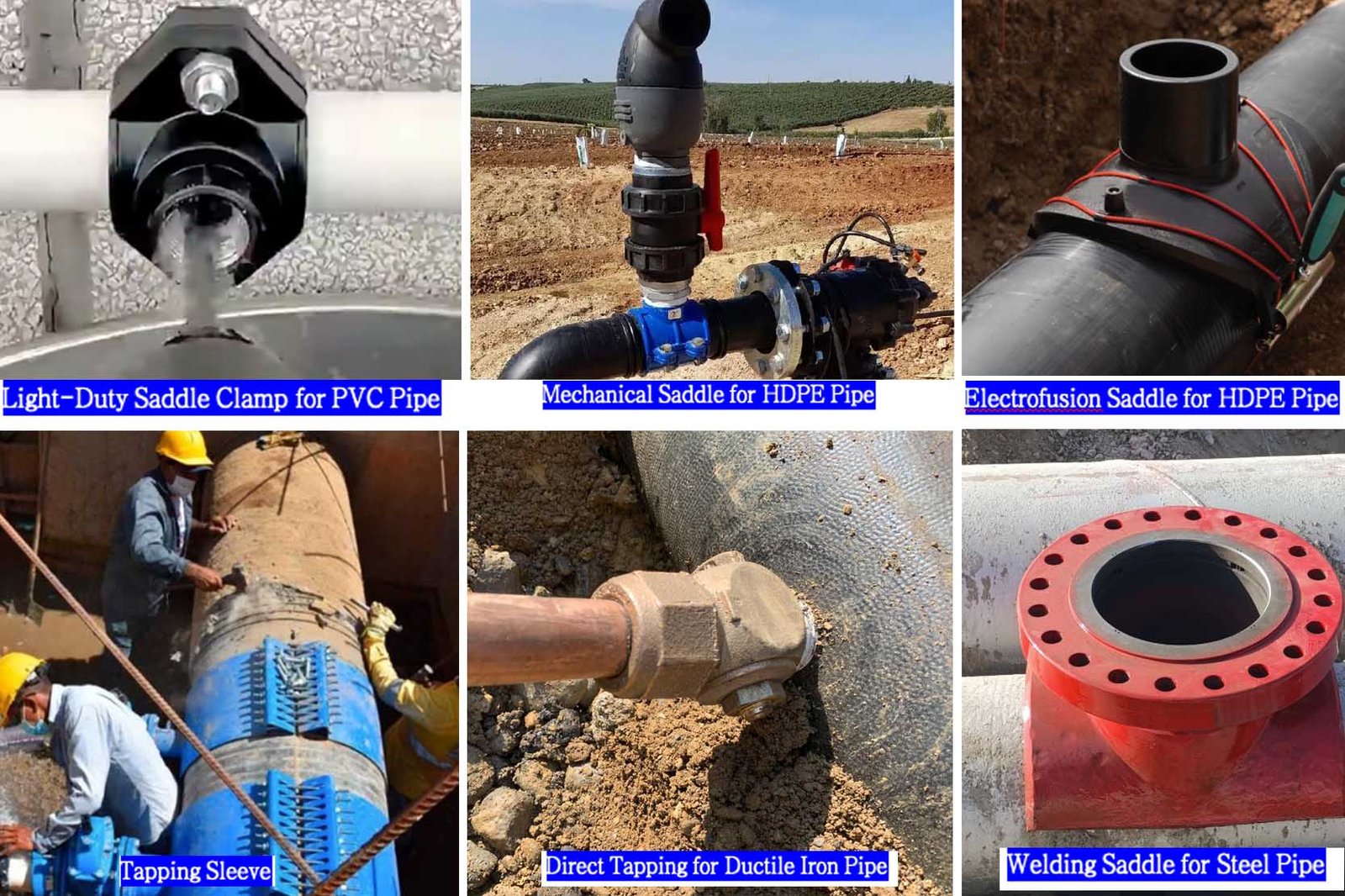
To choose the right branch connection, you must consider the pipe material, system pressure, pipe diameter, and application. For example, use a welding saddle for high-pressure steel pipes and an electrofusion saddle for permanent HDPE connections. This ensures a safe and reliable pipeline network.
I've seen many projects face setbacks because of a poor branch connection choice. It's a critical decision that impacts the entire system's integrity. Over my 30 years in this industry, I've learned that a few key factors make all the difference. Let's break down these factors one by one. This will help you select the perfect connection every time and avoid common pitfalls.
What are the Best Branch Connection Methods for Different Pipeline Applications?
Different applications have unique demands, from drinking water to industrial use. A one-size-fits-all approach to branch connections often leads to system incompatibility and premature failure. Matching the connection method guarantees performance.
For drinking water, use corrosion-resistant tapping sleeves /tapping saddle . For industrial chemicals, select fabricated tees. For irrigation, a simple mechanical saddle on PVC or HDPE pipes might be enough. Always check local regulations to ensure compliance and safety in your specific application.
The application of a pipeline is the first thing you should consider. It dictates everything from material choice to pressure requirements. Let's look at some common applications and the best branch connection methods for them.
Drinking Water Systems
In potable water systems, safety and hygiene are the top priorities. The connection must not contaminate the water.
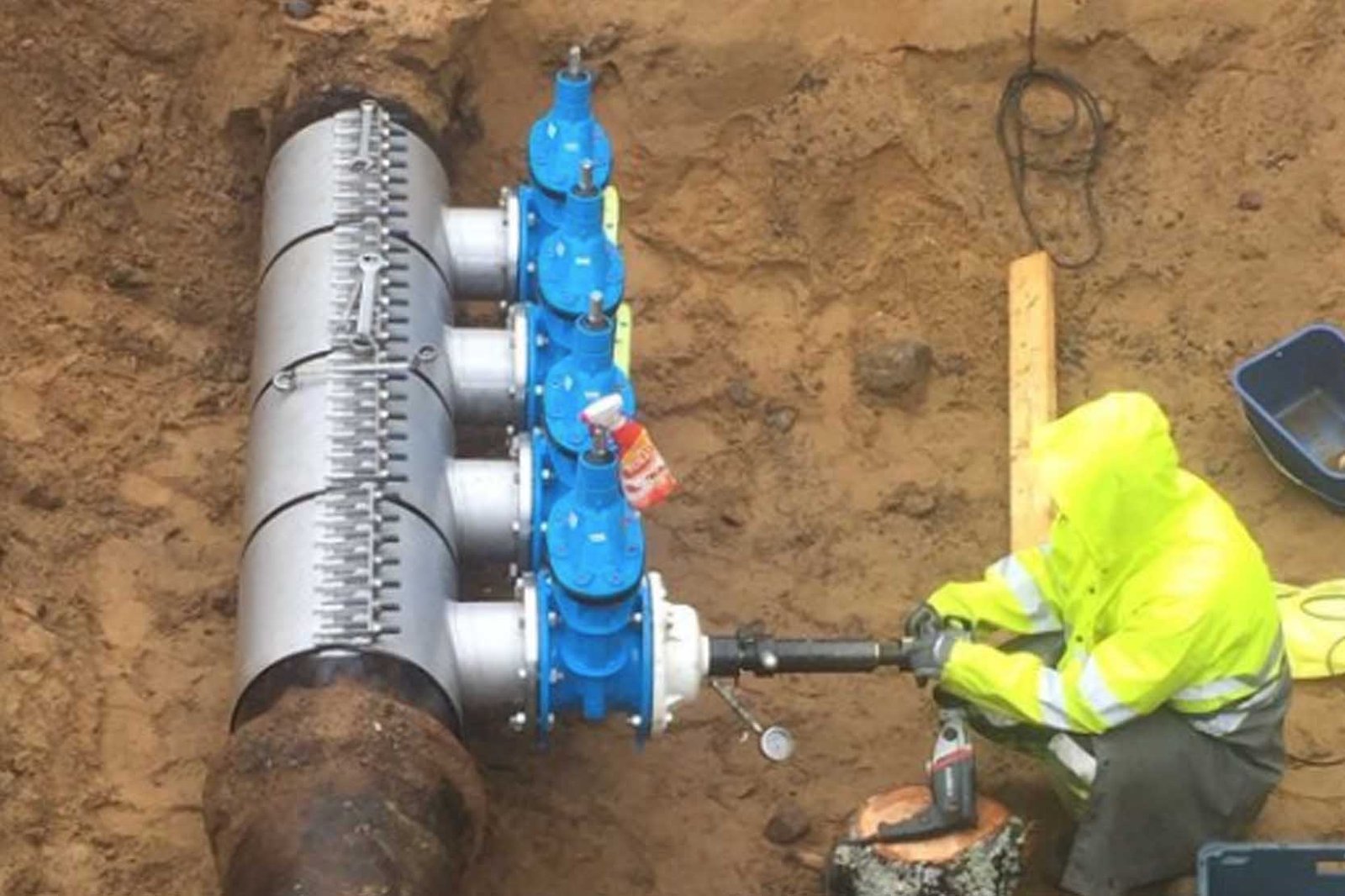
- Recommended Methods: Tapping sleeves and saddles made from ductile iron or steel are excellent choices. They provide a strong mechanical seal without needing heat or chemicals. These methods are approved by most water authorities worldwide.
- Why it works: Ductile iron and steel are strong and has great corrosion resistance when coated properly. This ensures a long service life. I remember a project where a client used our tapping sleeves on a major city's water main. The installation was quick, and the connection has been leak-free for over a decade.
Industrial and Chemical Pipelines
These systems often carry aggressive fluids at high temperatures and pressures.
- Recommended Methods: Welded connections, like fabricated tees or welding saddles on steel pipes, are the standard. For non-weldable pipes, specialized flange outlet and chemically resistant saddles are necessary.
- Why it works: Welding creates a monolithic structure that is as strong as the pipe itself. This is crucial for handling hazardous materials safely. You must ensure the welding is done by certified professionals.
Irrigation and Agriculture
These are typically low-pressure systems where cost and ease of installation are major factors.
- Recommended Methods: Mechanical saddles on HDPE or PVC pipes are very common. They are easy to install in the field, often without special tools or power.
- Why it works: These systems don't need the high-strength performance of industrial connections. A simple, reliable mechanical seal is perfectly adequate and keeps project costs down.
How do you Choose the Right Branch Connection for Different Pipe Materials?
Every pipe material behaves differently under stress. Using a connection designed for steel on a plastic pipe can cause cracks, leaks, and catastrophic failure. You must match the connection method to the pipe's properties.
For rigid pipes like ductile iron, use mechanical tapping sleeves. For steel, welding is best. For flexible HDPE, use electrofusion or mechanical saddles. For brittle PVC, use wide, light-duty saddles to distribute stress. Matching the connection to the material is critical for a secure seal.
I've spent 30 years working with different pipe materials in our factory. Each one has its own personality—some are rigid and strong, others are flexible and forgiving. Understanding these characteristics is key to choosing the right branch connection. Let's compare the most common materials.
Material-Specific Connection Guide
| Pipe Material | Key Property | Recommended Branch Connection | Why It Works |
|---|---|---|---|
| Ductile Iron | High Rigidity, Strength | Tapping Sleeve, Mechanical Saddle, Direct Tapping | The pipe's rigidity provides a solid, stable surface for a strong mechanical seal without deforming under clamping force. |
| Steel | Weldable, High Strength | Welded Tee, Welding Saddle | Welding creates a permanent, high-strength bond that is as strong as the parent pipe, ideal for high-pressure applications. |
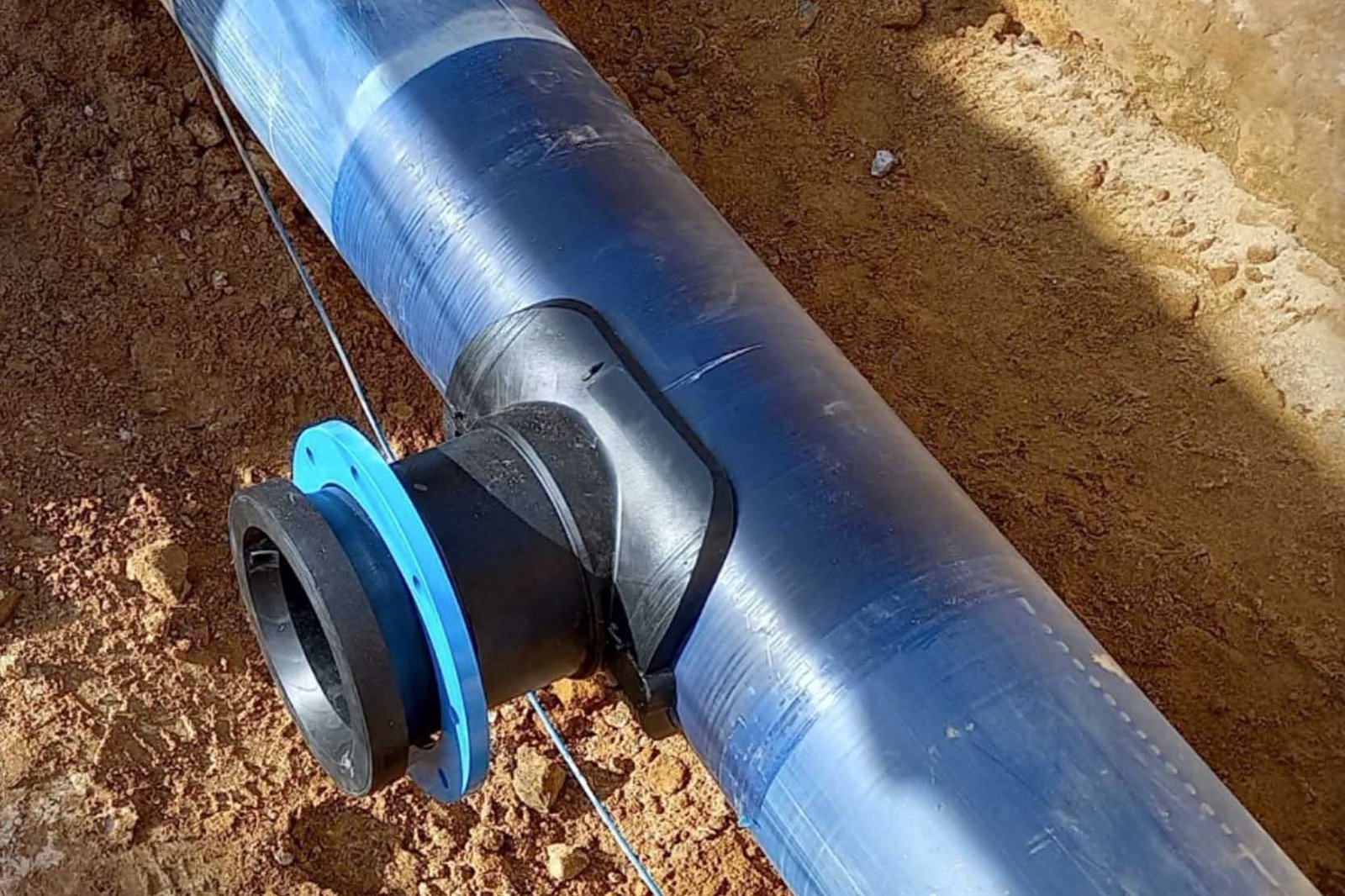
| HDPE | Flexible, Creep-prone | Electrofusion Saddle (Permanent), Mechanical Saddle (Temporary) | Electrofusion creates a homogenous joint that moves with the pipe. Mechanical saddles are good for quick fixes but may loosen over time due to creep. |
| PVC | Rigid, Stress-sensitive | Wide, Light-Duty Saddle Clamp | PVC is brittle and can crack under concentrated stress. A wide saddle distributes the clamping force over a larger area, preventing damage. |
When we design fittings, we always start with the pipe material. For example, our narrow ductile iron saddles are designed to grip the pipe firmly without causing damage because we know the material can handle the stress. On the other hand, a similar design for HDPE Pipe would be a disaster.
How do you Handle Branch Connections for High Pressure and Large Diameter Pipelines?
High pressures and large diameters create massive forces on branch connections. A weak connection can lead to a catastrophic blowout, causing massive damage and posing a serious safety risk. You need reinforced, high-strength connection methods.
For high-pressure (PN25+) or large-diameter pipes, use a welding saddle or a fabricated tee. These methods provide the structural reinforcement needed to handle high hoop stress and pressure. Mechanical tapping sleeves with full-body reinforcement are also a reliable option for non-weldable pipes.
Working with high-pressure and large-diameter pipelines is a different ball game. The forces involved are immense. I remember a consultation for a hydroelectric project where the penstock was over 2 meters in diameter. The branch connection design was the most critical part of the project.
High-Pressure Systems (PN ≥ 25)
Pressure creates hoop stress in the pipe wall. When you cut a hole for a branch, you weaken that area significantly. The connection must not only seal the branch but also reinforce the pipe.
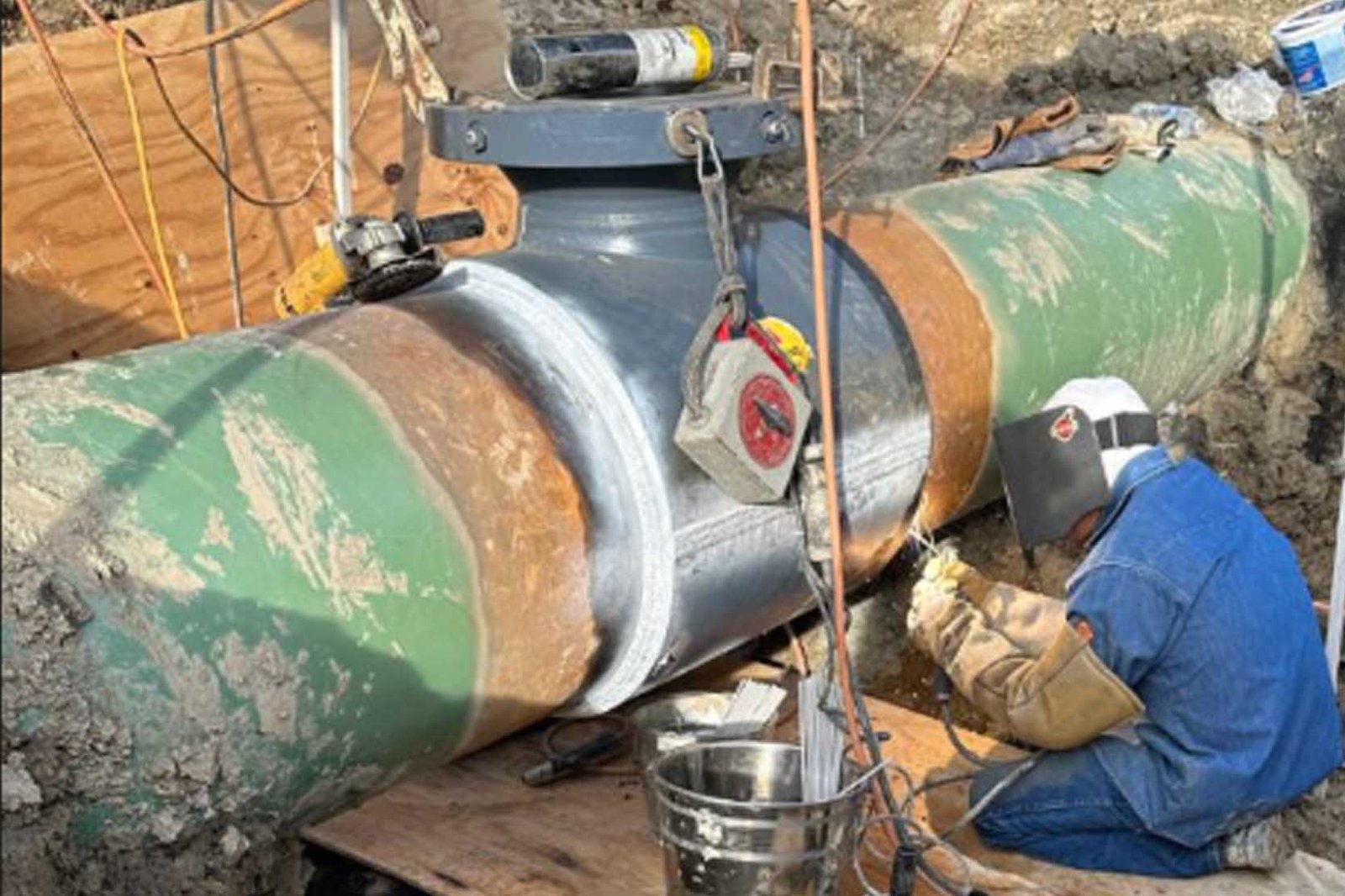
- Welding Saddle/Fabricated Tee: These are the gold standard for steel pipes. A welding saddle is a fitting shaped to fit the main pipe, reinforcing the area around the hole before the branch is welded on. A fabricated tee is made by welding three pieces of pipe together, creating a very strong, purpose-built fitting. Both methods restore the strength lost from cutting the hole.
- Our Expertise: In our factory, we produce fabricated tees for major industrial projects. We use advanced welding techniques and rigorous quality control, including X-ray and ultrasonic testing, to ensure every weld is perfect.
Large Diameter Pipelines (DN > 600)
Large pipes have a larger surface area, meaning the total force exerted by the pressure is huge. They are also more susceptible to ovalization or deformation.
- Reinforced Tapping Sleeves: For materials like ductile iron, where welding isn't an option, a reinforced tapping sleeve is essential. These sleeves often wrap fully around the pipe and use multiple heavy-duty bolts to distribute the load evenly. They act like a structural brace for the connection point.
- Design Consideration: The design must prevent the pipe from deforming under the clamping force of the sleeve. We use Finite Element Analysis (FEA) software to model these stresses and optimize our sleeve designs to ensure they provide support without damaging the pipe.
How do you Handle Ground Movement and Thermal Expansion in Branch Connections?
Buried pipelines shift with the ground and expand or contract with temperature changes. A rigid connection can snap under this stress, causing leaks that are difficult and expensive to locate and repair. You need flexible connections.
To manage ground movement and thermal expansion, use flexible couplings or expansion joints near the branch connection. For flexible pipes like HDPE, an electrofused saddle moves with the pipe. For rigid pipes, installing the branch with flexible joints on either side can absorb movement effectively.
I once visited a site where a water main had failed. The cause wasn't a faulty pipe or fitting, but ground settlement after a heavy rain. The rigid branch connection couldn't handle the shear force and it cracked. This is a common story. The earth is not static, and pipelines must be designed to live in this dynamic environment.
Managing Ground Movement
Ground movement, or subsidence, can happen for many reasons: soil settlement, seismic activity, or nearby construction. This puts immense bending and shear stress on a pipeline.
- Flexible coupling: The best solution is to use flexible coupling. Our factory produces ductile iron flexible coupling that allow for several degrees of angular deflection. By placing these joints on the branch pipe close to the main, you create a "hinge" that absorbs movement without stressing the connection itself.
- Material Choice: Using a flexible pipe material like HDPE is also a great strategy. The entire pipeline can snake and move with the ground, and a properly fused branch connection becomes part of that flexible system.
Handling Thermal Expansion and Contraction
All materials expand when heated and contract when cooled. In a long pipeline, this movement can be significant. A 100-meter steel pipe can change length by over a centimeter with a 10°C temperature change.
- Expansion Loops and Joints: To accommodate this, engineers design expansion loops (U-bends in the pipe) or install expansion joints. These are like accordions that can compress or extend. A branch connection should not be placed in the middle of a long, straight run without some provision for this movement.
- Best Practice: The ideal placement for a branch is near a bend or an expansion joint where movement is already being managed. If that's not possible, adding flexible joints to the branch line is a must. We often advise clients to consider the entire system's layout, not just the connection point in isolation.
What are Common Mistakes When Selecting Branch Connections (And How to Avoid Them)?
Simple mistakes in selecting branch connections can have huge consequences. These errors lead to project delays, budget overruns, and long-term reliability issues that can damage your reputation. Knowing the common pitfalls helps you avoid them.
Common mistakes include ignoring pipe material properties, underestimating system pressure, using a narrow saddle on a flexible pipe, and failing to account for ground movement. Avoid these by conducting a thorough analysis of your project's specific conditions and consulting with experienced manufacturers or engineers.
After 30 years, I've seen it all. Some mistakes are technical, and some are just due to rushing. A small oversight at the design stage can turn into a massive headache during installation or operation. Learning from these common errors is one of the fastest ways to improve your project outcomes. Let's go over the top mistakes I see most often.
Mistake 1: Mismatching Connection Type and Pipe Material
This is the most frequent error. An engineer might be used to working with steel and specify a welding-based connection for a ductile iron or HDPE pipe, which is impossible.
- How to Avoid: Always start with the pipe material. Create a checklist. Is it metal or plastic? Is it rigid or flexible? Is it weldable? The answers will immediately narrow down your options. For example, my team knows that if a client says "HDPE," we immediately think "electrofusion or mechanical saddle."
Mistake 2: Ignoring the Reinforcement Requirement
Cutting a hole in a pipe creates a weak spot. Many people assume a simple clamp is enough to seal it, but they forget it also needs to reinforce the pipe wall, especially under pressure.
- How to Avoid: For any pressurized system, ask: "Does this connection method reinforce the hole?" A simple strap-on saddle doesn't. A welding saddle or a full-encirclement tapping sleeve does. We always recommend our full-body tapping sleeves for pressurized mains because they provide that critical structural support.
Mistake 3: Using a "One-Size-Fits-All" Saddle
I see this with plastic pipes. A client uses a heavy-duty saddle designed for metal pipes on a thin-walled PVC pipe. The concentrated force of the bolts cracks the pipe.
- How to Avoid: Pay attention to the saddle design. For flexible or brittle pipes like HDPE and PVC, use a saddle with a wide base and wide straps. This distributes the clamping force over a larger area, preventing stress points and damage. We custom design saddles with different widths based on the target pipe material.
Conclusion
Choosing the right branch connection requires careful thought about material, pressure, and application. Making the correct choice ensures a safe, reliable, and long-lasting pipeline system for your project.
